
Comedy News Filed 6 May 2026 · 07:17
Edinburgh Fringe Lineup 2026: What the May Programme Drop Tells Working Comics
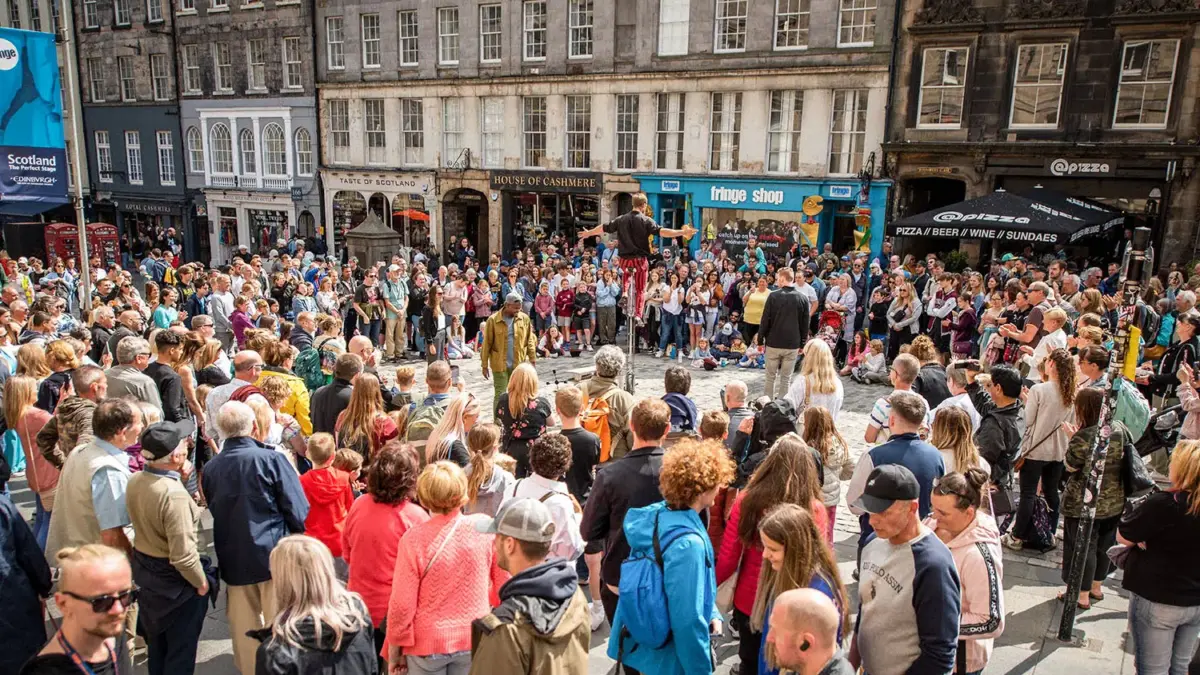
The May programme drop in detail
On 5 May 2026 the Gilded Balloon revealed 88 further shows for August’s Edinburgh Festival Fringe. The same afternoon the Pleasance dropped its own next wave of titles. Both releases pushed the 2026 Fringe lineup well past the 2,000 show mark. The drop carried a heavy comedy weighting across Teviot, Patter House, the King’s Theatre and the Pleasance Courtyard rooms.
Named additions in the Gilded Balloon batch include Fred MacAulay, Jack Docherty and Grace Campbell with her new touring show The Lady Is A Tramp. The Pleasance wave added Tim Vine, Flo & Joan, Alex Edelman, Lucy Porter, Matt Forde, Nick Helm, Andrew Maxwell and Patti Harrison. Tickets for both venues went live at midday on the announcement day. The festival itself runs 7 to 31 August, with previews from 5 August.
Why mid-cycle drops are bigger than they look
For comics outside the household-name tier, this kind of mid-cycle reveal is the moment a Fringe lineup quietly hardens. Once the headline names are slotted, room availability and press attention narrow fast. Late drops are still possible into June, but the favourable 7pm and 8pm slots usually go in waves like this one.
That matters because the Fringe is now a marketing event as much as an arts festival. Time Out’s tracker has paid Fringe shows clustering around £8 to £18, with premium runs at £20 to £30 plus. Audiences pre-book early and they pre-book the names they recognise. A May reveal that includes Tim Vine and Fred MacAulay sucks attention out of the room for the rest of the bill.
Returning faces versus debut slots
The interesting split sits inside the same press release. Alongside Vine and MacAulay you have Ayoade Bamgboye, Cecily Hitchcock, Roman Harris and Pernille Haaland as debut or near-debut Fringe names. That mix is deliberate: programmers need the ticket-shifters to underwrite the riskier hours.
It is also the same calculation that drives venue programming the rest of the year. We set out the detail in From Open Mic to Saturday Headliner. A Pleasance debut at 4.30pm in 2026 is the same career rung as a Saturday support slot at a London 200-seater. It is winnable, but only if you can prove a draw.
What Karen Koren actually said
Speaking to Chortle on 5 May, Gilded Balloon artistic directors Karen and Katy Koren framed the drop in unusually plain terms.
“It’s been a mammoth year of programming for us. The productions coming to the festival continue to push boundaries. We are thrilled to have artists presenting work that will make you laugh, cry, and everything in between.”
– Karen and Katy Koren, artistic directors, Gilded Balloon
Read against the wider Fringe lineup, “mammoth” is the operative word. Gilded Balloon has expanded its room count, with Patter House and Gilded Balloon at the Museum sitting alongside the Teviot estate. More rooms means more risk on the venue side: every empty 9pm hour in August is a hole in next year’s budget.
The Pleasance parallel and the venue arms race
The Pleasance announcement on the same day named Patti Harrison, Demi Adejuyigbe, Kanan Gill and Viggo Venn alongside UK regulars. No ticket prices were attached, but the strategic point is the timing. Two of the four “big four” venues released competing lineups in the same news cycle. That is not coincidence. It is a fight for the May media window before the Pleasance and Underbelly run their own June launches.
For working comics, this competition has knock-on effects on the indie Fringe scene. As bigger venues lock in named runs, audiences and reviewers concentrate their attention there. Free Fringe and PBH rooms still draw their own crowds, but the gap widens every year. The same dynamic we covered in indie venues thriving while chains consolidate plays out in microcosm across August.
Ticket maths and audience pressure
Tickets at the bigger venues now sit inside a very crowded leisure-spend month. Edinburgh’s accommodation costs have risen for three years running. A four-show Fringe night for two adults at £14 a ticket plus drinks easily clears £150 before transport. That changes the kind of show audiences will gamble on.
Programmers know it. The May Fringe lineup leans on names because punters lean on names. It is the same audience economics behind the BBC’s regional festival push, which we wrote up in the BBC Comedy Festival Liverpool piece. Free or low-priced tickets pull risk-averse audiences. Premium runs need the marquee.
Open Comedy’s take
The contrarian read on this Fringe lineup drop is that May is now too late for first-time runs at the big four venues. But it is exactly right for second-show comics. If you are bringing a work-in-progress in 2026, your best move is not chasing a Pleasance slot. It is booking a tight 45-minute room at a smaller venue and using your free time on the Royal Mile to flyer ferociously.
The May reveal also exposes a softer truth: the Fringe is increasingly a sequel festival. Returning names like Vine, MacAulay and Forde get the favourable slots because they bring guaranteed bums on seats. Debutants are slotted around them. That is fair venue economics, but it is also a signal for ambitious comics. Build a tour first, then bring it to Edinburgh. Do not try to launch a career in August with a cold show.
What working comics should do this week
Three concrete moves while the Fringe lineup is still hardening:
- Lock your venue by the end of May. Indie operators like Just the Tonic, Laughing Horse and PBH are still slotting acts. Wait until June and you are choosing between awkward times or a 100-capacity room you cannot fill.
- Plan a credible preview run. We argued in topical material beats a perfect tight five that audiences in 2026 reward freshness. Preview shows in May and June are where you find that out.
- Get the press pack ready now. National critics request EPKs by mid-June. A weak press pack is the most common reason Fringe debutants miss reviews entirely.
Key takeaways
- The 5 May Fringe lineup drop signals that the 2026 festival’s prime slots are now mostly assigned to returning names with proven draws.
- Working comics should treat May as the deadline for venue lock-in, not the start of planning.
- Indie venues remain the realistic route for first-time hours, with the big four serving as a follow-up rather than a launchpad.
FAQ
When does the 2026 Edinburgh Festival Fringe run?
The festival runs from 7 to 31 August 2026, with venue previews starting 5 August. Some venues, including the Gilded Balloon, run earlier preview nights from late July.
How many shows are in the 2026 Fringe lineup so far?
Programme totals had passed 2,000 shows by early May 2026. Further announcements are expected from the Pleasance, Underbelly, Just the Tonic and the PBH Free Fringe before tickets hit full release in June.
What do tickets cost on average?
Paid Fringe shows typically run £8 to £18, with premium runs and big-name comedians at £20 to £30 plus. The Half Price Hut on the Mound continues to sell same-day tickets at 50 per cent off.
Is it too late to apply to perform in 2026?
Big four venue slots are largely set by May. The open Fringe model means any performer can register a show through the Edinburgh Festival Fringe Society until late June. Indie venues continue to add late acts through July.
How do programmers choose who gets prime slots?
Returning artists with a track record of selling tickets typically secure the 7pm to 9pm hours. Newer acts are programmed around them at lunchtime, late night, or in smaller rooms. Press contacts, agent relationships and previous Fringe runs all factor in.
Sources
- Chortle: Gilded Balloon announces 88 more Edinburgh Fringe shows (5 May 2026)
- Chortle: Pleasance announces more Edinburgh Fringe 2026 shows (5 May 2026)
- BroadwayWorld: Gilded Balloon Reveals 88 New Edinburgh Festival Fringe 2026 Shows
- Time Out: Edinburgh Festival Fringe 2026 dates, tickets and previews

Hello there! Would you mind if I share your blog with my twitter group?
There’s a lot of folks that I think would really appreciate your content.
Please let me know. Cheers