
Comedy News Filed 4 May 2026 · 04:04
Sinbad’s Comedy Comeback: What His Return Teaches Working Comics About Resilience
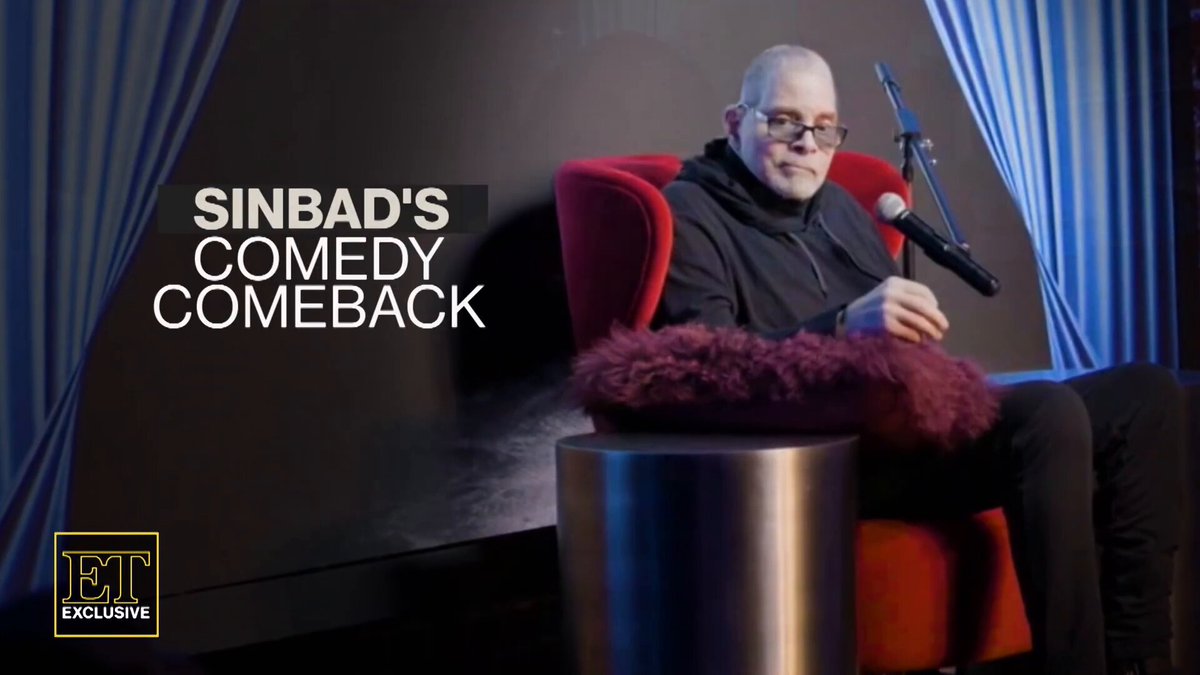
The night a 69-year-old legend walked back on stage
On April 29, Sinbad announced that he was finally returning to stand-up. His first show ran at the Comedy Ice House in Pasadena, with a second date booked for May 10. It was his first headlining set since the October 2020 stroke that nearly killed him.
The video he posted hit harder than most jokes do. “I can’t walk,” he said plainly. “Since the stroke in 2020, I have not been on stage. This is just the beginning.” For working comics, that line sits somewhere between a punchline and a mission statement.
Six years off the road, then a microphone
The stroke was caused by a blood clot that moved from his heart to his brain. Doctors told his family he might not survive. He spent years rebuilding speech and movement, mostly out of public view, while the comedy world kept spinning without him.
The audience he is returning to looks very different from 2019. Algorithms pick headliners now. Clips travel further than tours. A comedy comeback in 2026 has to win back attention as well as ability. Sinbad chose a 200-seat club instead of an arena, and that choice matters.
Why this comedy comeback hits different
Most comeback stories in entertainment involve image rehab or contract drama. This one is physical. He is not negotiating a Netflix deal. He is negotiating with his own nervous system. That changes how the room watches him, and it changes what “a good set” even means on opening night.
It also reframes how the industry thinks about career length. We covered the long view in our piece on Eddie Murphy’s 45-year strategy. Sinbad’s return adds a chapter that strategy guides rarely include: what happens when the body, not the market, takes you out.
The Pasadena room that said yes
The Comedy Ice House is a 65-year-old club. It is not the trendiest room in Los Angeles. It is the kind of independent venue that books a returning legend on a Tuesday because the booker remembers what he meant to the scene. That decision is its own quiet story.
We have written before about how indie comedy venues are thriving while chains consolidate. A comedy comeback like Sinbad’s is exactly the kind of moment those rooms can offer that a corporate chain cannot. There is no marketing committee asking whether the act “tracks.” There is just a stage, a mic, and a room willing to wait.
Who shared the bill
Sinbad’s daughter Paige Adkins, also a comic, performed alongside him. So did his longtime opener Chase Anthony. That lineup is a love letter, not a lineup card. It also tells you something about how comebacks actually work: they happen with people who knew you before the spotlight dimmed.
For younger performers grinding from open mics upward, the pattern is worth studying. Our guide on going from open mic to Saturday headliner stresses the people you build with on the way up. Sinbad’s return is the long-term payoff of that same idea. The friends you came up with become the friends who carry your gear back on stage.
Lessons working comedians can take from this
The first lesson is timing. Sinbad did not wait until he was 100 percent. He started when he could start. Many comics talk about a “return to form” as if it is a binary state. It is almost never binary. It is a slow re-entry, and the first show is rarely the best one.
The second lesson is scale. He did not announce a tour. He announced a date. That keeps pressure low and protects the work. A comedy comeback that overpromises usually undelivers. A single Tuesday in Pasadena is a smarter beachhead than a 30-city run.
The third lesson is honesty. He named what was wrong on camera. Audiences do not punish honesty in 2026; they reward it. We saw that pattern in our look at what audiences actually want now. They want a person, not a brand.
What venues and bookers should learn
For bookers, Sinbad’s return is a reminder that the calendar should leave space for legacy acts on non-peak nights. A returning name brings press, locals, and goodwill that a polished feature cannot replicate. That value does not always show up in pre-sale numbers; it shows up in the door, the bar, and next month’s bookings.
Venues should also think about access. After a stroke, getting on stage is a logistics problem before it is a comedy problem. Ramps, stage height, mic stand reach, green-room seating, all of it matters. A booker who solves those quietly turns a one-off comeback into a repeat booking. That is sustainable thinking, and we have argued for the same approach in our piece on touring comedian burnout.
The bigger signal for 2026
Live comedy attendance is well above pre-pandemic levels, and audiences are gravitating toward acts they trust. A comedy comeback story rides that wave. It is also a counterweight to the algorithm-first career path that pushes new comics to chase clips. Some careers are built one viral video at a time. Others are built one stroke recovery, one Tuesday, one club at a time.
Sinbad’s return does not invalidate the new playbook. It just reminds the industry that the old playbook still works, and that talent compounds even when it disappears for half a decade. The microphone does not forget you if you do not forget the room.
Key takeaways
- Start small, not splashy. A comedy comeback works best when it begins at one club on one night, not on a 30-city tour announcement.
- Independent rooms are the real comeback partner. Indie clubs can book a returning legend on a Tuesday in a way chain venues rarely can.
- Honesty travels further than polish. Naming a real obstacle, on camera, is now part of how audiences decide to show up.
- Bookers should plan for access. Stage ramps, lower mic stands, and green-room seating turn a single comeback gig into a recurring booking.
FAQ
When did Sinbad have his stroke?
He had a severe stroke in October 2020, caused by a blood clot that traveled from his heart to his brain. He spent years in recovery before returning to live performance.
Where was Sinbad’s first comeback show?
His first stand-up show in more than five years took place at the Comedy Ice House in Pasadena, California, on April 29, 2026. A second date is set for May 10.
Who performed with him?
His daughter Paige Adkins, who is also a comedian, joined him on the bill, along with his longtime opener Chase Anthony.
What does this mean for working comics?
It is a real-world example of pacing a return. Smaller rooms, honest framing, and trusted collaborators outperform a big-bang relaunch when you are rebuilding your performance muscles.
Why did he choose an indie club instead of a theater?
Independent rooms offer flexibility, lower stakes, and an audience that comes for the act rather than the venue brand. That fits a comeback better than a 1,500-seat theater.
