
Comedy News Filed 12 Apr 2026 · 07:29
Comedy Audience Expectations: What Audiences Actually Want Now
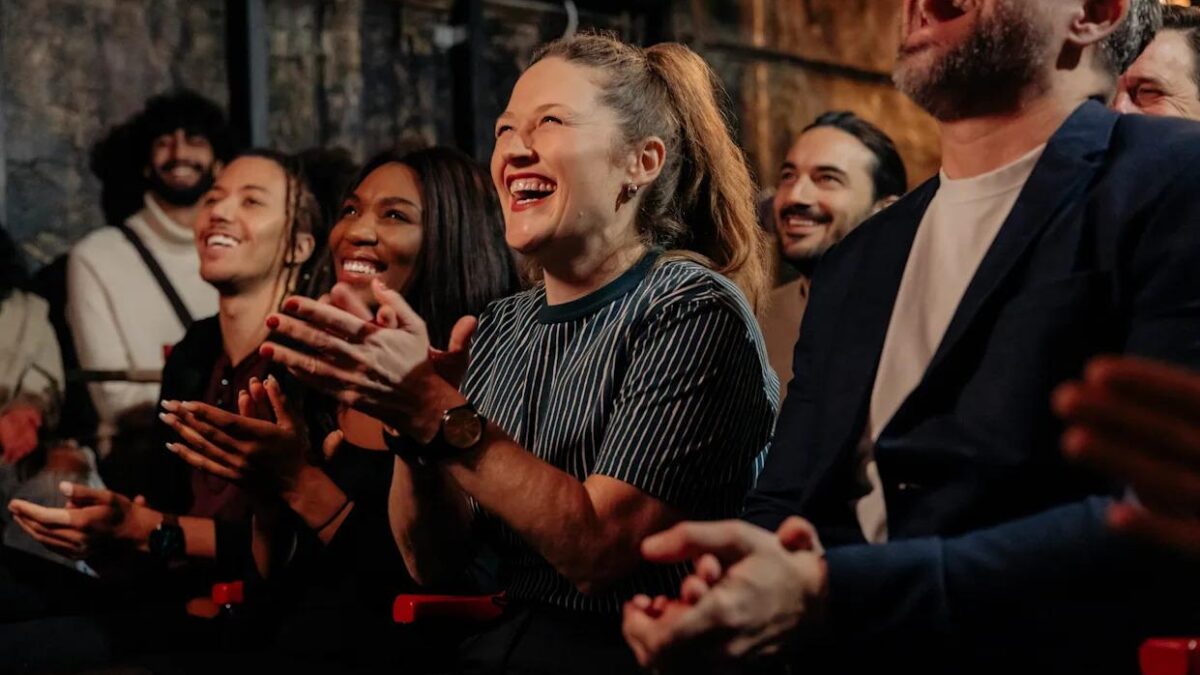
Here’s what’s killing comedy venues right now: they’re trying too hard. While venue operators spend months perfecting lighting rigs and sound systems, their best seats sit empty. Meanwhile, audiences are moving toward something entirely different – and it’s not what the industry expected.
When it comes to comedy audience expectations, understanding these key aspects is crucial.
The 2026 Shift: Connection Beats Production
According to Eventbrite’s latest event trends analysis, 2026 has revealed a fundamental shift in what audiences actually want from live experiences. The old formula – big production, polished performers, slick venues – no longer drives ticket sales. Instead, attendees across demographics now prioritize “connection without pressure” and authentic, unscripted moments over production value.
For comedy this matters enormously. Comedy thrives on authenticity and real-time human connection. When you over-produce it, you kill it. Audiences can sense when a comedian is performing a performance rather than sharing an actual thought with them. In 2026, that distinction matters more than ever before.
Why Your Fancy Venue Might Be Your Problem
There’s a specific problem haunting comedy venues right now: the escalation trap. Venue owners compete by upgrading production – better sound, nicer bars, Instagram-worthy décor. But Eventbrite’s research on 2026 event expectations shows audiences increasingly seek unlikely venues and unscripted moments instead of polished, familiar spaces.
Think about the most memorable comedy show you’ve seen. Was it in a theater with assigned seating and perfect lighting? Or was it somewhere unexpected, maybe a living room or a garage, where something genuine happened? Most comedians will tell you the garage wins every time.
The venue trend toward “unlikely venues” isn’t accidental. It reflects a deeper cultural move away from manufactured experiences. Audiences have spent years being sold slick, corporate events. They’re tired. When they pay for comedy now, they’re not paying for production. They’re paying for real people having real conversations.
The Intimacy Economics Nobody Talks About
Here’s the counterintuitive business angle: smaller, less-produced shows often make more money per ticket. Why? Because people will pay more for genuine connection than they will for fancy production. A 50-person show in someone’s loft space, where the comedian can see everyone’s face, creates exponentially more ticket value than a 400-person show in a corporate comedy club where half the audience can’t hear the jokes.
Beyond ticket prices, the economics also shift for comedians. In a packed, intimate room, merchandise sells better. Mailing list signups happen naturally. Audience members actually remember the set and tell friends about it. In a big theater, you’re just another show on the calendar.
This is the contrarian move that works right now: go smaller, less produced, more authentic. It’s cheaper to produce, audiences prefer it, and it actually makes more money.
What “Connection Without Pressure” Really Means
Eventbrite’s research specifically identified that audiences want to participate “at their own pace and on their own terms,” which has direct implications for comedy room layout and experience design. This means:
- No pressure to laugh on cue – audiences want permission to have their own reaction
- Ability to leave without disruption – not being trapped in assigned seating
- Multiple ways to engage – not just watching passively
- Real person energy from the performer – not a polished character
- Physical space that feels like a real place, not a stage
The best venue innovation right now isn’t technology. It’s removing friction. Remove the stage. Remove assigned seating. Remove the expectation that everyone needs to face forward. Let people actually feel like they’re hanging out with a funny person, not attending a show.
Why Comedians Are Winning on Podcasts and Losing in Rooms
Listen to why comedy podcasts have exploded: they’re the inverse of produced comedy. Someone talks into a microphone, usually with a friend, usually unscripted, usually without any pretense. The production value is terrible. The authenticity is maximum. That’s why everyone listens.
When the same comedians perform in a nice comedy club – 45 minutes of refined material, good sound, professional lighting – the engagement drops dramatically. The medium changed everything. Comedy community discussions on Medium show consistent themes around performers wanting to experiment with unstructured, authentic performance formats rather than traditional club sets.
This is the shift venue operators are missing. You’re competing against podcasts and YouTube. You can’t beat a podcast on production value. You can beat it on presence. On the thing only a live, real person can deliver.
The Booking Strategy That Actually Works in 2026
Here’s the practical shift: instead of chasing headliners and big names, book comics for extended intimate runs. Get someone to do 5 shows over a week in a smaller space. Let people come back. Let them bring friends. Build actual audience connection, not one-time ticket sales.
The touring model that worked in 2020 is dying fast. The model that’s emerging: local, repeated, connection-based. A comedian doing 10 shows in a 100-person room to the same audience makes more sense than chasing the same comedian’s one-off 400-person show.
For comedians, this means less travel, more local depth. For venues, this means more predictable revenue, deeper audience relationships, and actually being able to build a community.
The Real Test: Does It Feel Like Hanging Out?
Everything comes down to one question: would you want to hang out with this person in their living room? If your comedy show doesn’t answer yes to that question, it’s too produced. Strip something away. Add something real. Make the audience feel like they’re getting something they can’t get from a screen.
The venues and comedians winning right now are the ones who figured this out. They’re not trying to be Broadway. They’re not trying to be a corporation. They’re trying to be something real that happened on a Sunday night with a bunch of people who actually paid attention.
That’s not low-budget comedy. That’s the future of comedy that actually matters.
Sources & References
- Eventbrite Blog – Event Trends and 2026 Attendee Expectations
- Medium Stand-Up Comedy Community Discussions
Five Questions About Authentic Comedy
Q: Does “connection without pressure” mean no stage presence or professionalism is needed? No. Being authentic requires skill. You still need material, timing, and command of the room. The difference is audiences can sense when you’re performing a character versus when you’re being genuinely you. Professionalism is doing the work to be authentically good, not the work to be slickly packaged.
Q: Isn’t “unlikely venue” comedy just a trend that’ll pass? Unlikely venues aren’t the trend – authentic experiences are. Unlikely venues just happen to be where authentic comedy happens naturally right now because traditional venues became too polished. As venues evolve, other spaces will emerge. The constant is the search for real connection.
Q: How do I book comedy if I’m a small venue operator competing against Netflix specials? You compete by being the opposite of Netflix. Netflix is polished, edited, perfect. You offer live, real, imperfect. You offer the thing that can’t be replayed – actual human connection. That’s a feature, not a weakness.
Q: Should comedians stop working on material if authenticity is what matters? Absolutely not. The best authentic comedians have the most material. They know exactly what they’re doing when they make it look unplanned. The craft gets harder, not easier. You just hide the craft better.
Q: What about comedians who have huge production shows as part of their brand? Some comedians’ brands absolutely require production. But even they’re finding that their most successful work comes from their podcast or a more intimate special. Production works when it serves the comedy. Right now, for most comedy, it gets in the way.
