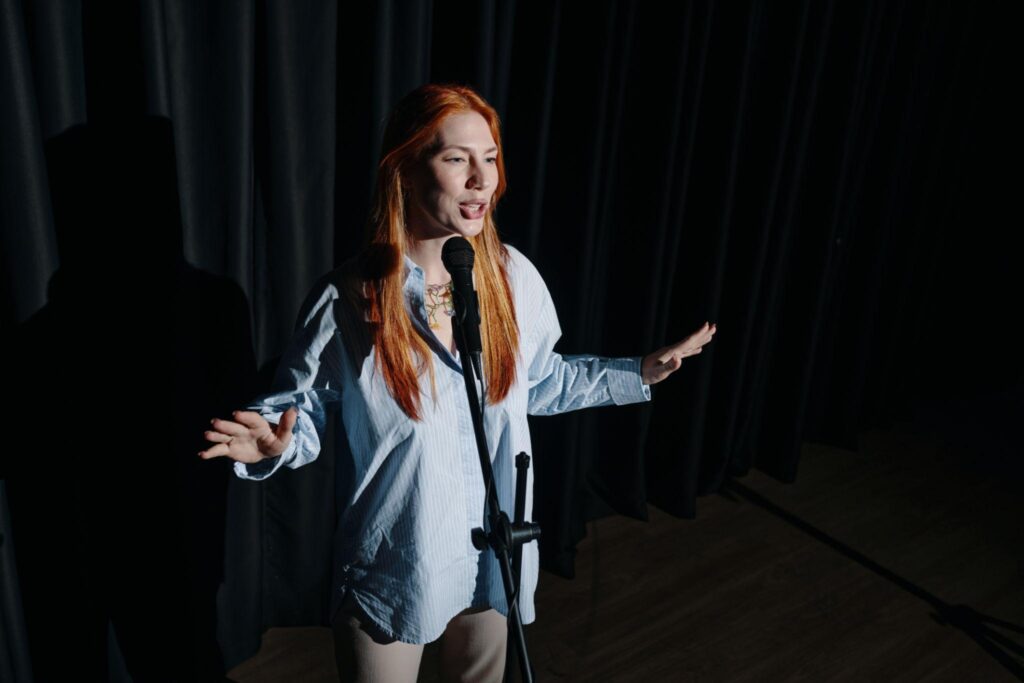
Short Comedy Sets is a key aspect of comedy success. Stand-up comedy is broken. Not the jokes—the operations. Open mic nights run late, audiences check out midway through, and bookers can’t tell if a five-minute disaster or a ten-minute triumph makes for better programming. The fix nobody talks about: shorter sets. Really shorter. Three to five minutes instead of the traditional ten to fifteen.
This isn’t industry wisdom yet. But it’s already the fastest way to fix your open mic’s biggest problems.
Why Shorter Sets Are Winning Right Now
Comedy discovery happens online first, live second. When audiences encounter comedians on TikTok, Instagram, or YouTube, they’re watching clips—not full specials. The shortest, sharpest thirty seconds of a set often gets clipped and shared. That’s where new comedians build audiences.
According to research on 2026 comedy trends, three-to-five-minute sets now outperform longer performances because they fit into how comedy gets discovered and consumed. A tight five-minute set that communicates a comedian’s voice, timing, and reliability matters more than a loose ten-minute ramble.
For venue operators, this is a gift. Short sets fit the way people actually discover comedy now. For comedians, it forces discipline. For audiences, it means consistent pacing instead of waiting out weak material.
The Open Mic Operator’s Problem
Run an open mic? You know this: shows run ninety minutes past schedule. Three comedians don’t show. Two go way over time. Audiences start checking their phones by the third act. By the time your headliner goes up, half the room has left.
Open mic organizers face constant headaches from late finishes, uneven pacing, audience drop-off, and no-show performers—but shorter set lengths help fix all of these problems. When set times are clearly limited to five minutes, comedians hit their marks. Shows end on time. Audiences stay engaged. Bookers can actually evaluate talent instead of managing chaos.
This is not a minor benefit. This is operational stability.
Set Time as a Business Tool
Booking comedy is risk management. You don’t know if a new comedian will bomb, go off the rails, or steal material from better comics. Longer sets mean longer exposure to those risks.
Five-minute sets compress the risk window. If someone tanks, it’s five minutes of pain, not ten. If someone kills, you can book them again knowing exactly what you’re getting. If someone’s sketchy on politics or goes blue when you need clean—five minutes tells you everything you need to know.
Short sets also let you fit more acts into a single show. Instead of 8-10 performers doing 10-15 minutes each, you get 12-15 performers doing 5 minutes each. More variety. More chances to showcase talent. Better show flow.
The Audience Actually Wins
Longer comedy sets assume audiences want depth. But open mic audiences? They want variety and momentum. They want to see new stuff, not wait out a comedian working through their whole notebook.
Five-minute sets change the psychological contract. Audiences don’t settle in for “this is a journey.” They expect punchy, focused comedy. No tangents. No rambling. No preamble. Just the goods.
This is harder to do than longer sets, but that’s the point. It filters for comedians who are actually ready, not just persistent. And audiences respond. A good five-minute set moves faster, hits harder, and leaves the audience wanting more—the exact opposite of how most open mics feel.
How to Actually Implement This
You can’t just announce “everyone gets five minutes” and hope it works. Structure matters.
First: use a visible timer. Not a phone timer you glance at. A projected countdown. Comedians who can see the clock learn to pace themselves. Audiences who can see it know what to expect. No surprises.
Second: enforce the timer without hostility. If someone goes to six-fifteen, that’s fine. Graceful overages happen. But if someone stretches to eight or nine, politely bring them down. Consistency builds trust.
Third: curate aggressively. With more slots available, you can actually be selective about who gets stage time. This improves show quality instantly.
Fourth: use open mic directories and booking platforms that standardize format expectations. When your venue’s set time is clear in the listing, you attract comedians who respect structure and want consistent, professional experience.
The Booking Conversation Changes
When you call a headliner to book them, what’s the standard pitch? “You’ll get twenty minutes.” Or thirty for bigger names. Standard deal.
But what if headliners respected shorter, tighter sets too? Major comedy bookings in 2026 are shifting toward venues that prioritize professionalism and clear expectations over loose tradition. A headliner doing a tight fifteen minutes that kills beats a thirty-minute set where they lose the room halfway through.
The conversation becomes about quality, not time. That changes everything about how comedians prepare, how audiences experience shows, and how venues fill rooms.
Why This Matters for Your Bottom Line
Short sets solve three business problems at once: operational chaos, inconsistent show quality, and audience fatigue. A well-paced open mic with eight sets of five minutes each runs like clockwork, stays engaging, and ends when you said it would.
Professional comedy booking requires careful vetting, clear timeline expectations, and reduced risk exposure—all things short set times deliver.
Venues that standardize on five-minute sets also become attractive to touring headliners who want predictable, professional environments. You become known as a well-run room. Booking agencies recommend you. Better comics submit. Show quality compounds.
The Catch (There Is One)
This only works if your whole program respects the format. One comedian who rambles kills the momentum you built. One open mic that runs over makes the next one look unprofessional.
Also: this is new for the comedy industry. Some comedians won’t like it. Some audiences won’t get it at first. But once people experience a show that actually ends on time with consistent pacing, the traditional open mic starts feeling broken.
Start This Month
You don’t need permission. You don’t need to poll comedians. Pick your next show, announce clearly that sets are five minutes, get a visible timer, and run it. See what happens.
Odds are good: your show ends on time, audiences stay engaged, and comedians come back because they know what to expect. That’s the whole game right there.
Sources & References
- Open Comedy: Why Short Comedy Sets Are Winning in 2026
- Open Comedy: How to Book Major Comedy Acts
- Comedy.com: How to Handle Technical Challenges at Comedy Venues
- Heritage Talent Booking: Corporate Comedy Booking Guide 2026
- Funny Business: How to Hire a Comedian for Your Event
FAQ
Q: Won’t comedians hate having only five minutes? Not once they realize a tight five-minute set that kills looks better for their brand than a loose ten-minute set where they lose the room. Shorter sets force better material.
Q: What if someone goes over? Start with grace. If it’s six or seven minutes, that’s okay. If it’s eight-plus, bring them back next time—but gently. Consistency builds respect faster than hostility.
Q: Won’t my show feel rushed? The opposite. Rushed shows have poor pacing because comedians run long unpredictably. Structured shows with clear time limits feel smooth and intentional.
Q: How do I enforce this without being rude? A visible timer does most of the work. Comedians self-regulate when they can see the clock. For those who go over, say it straight: “Next time, five minutes sharp. I’ll give you a one-minute warning.”
Q: Can I use this for paid shows, or just open mics? Start with open mics. Once you nail the format, experiment with headliners. Some of the best comedy shows in 2026 use tight time limits even for paid performances.
Are you a comedian looking for gigs?
Join Open Comedy — the free platform connecting comedians with bookers and venues worldwide. Find open mic nights, paid spots, and festival opportunities.