
Comedy News Filed 10 Apr 2026 · 04:22
Comedy Set Length: What Venues Actually Need
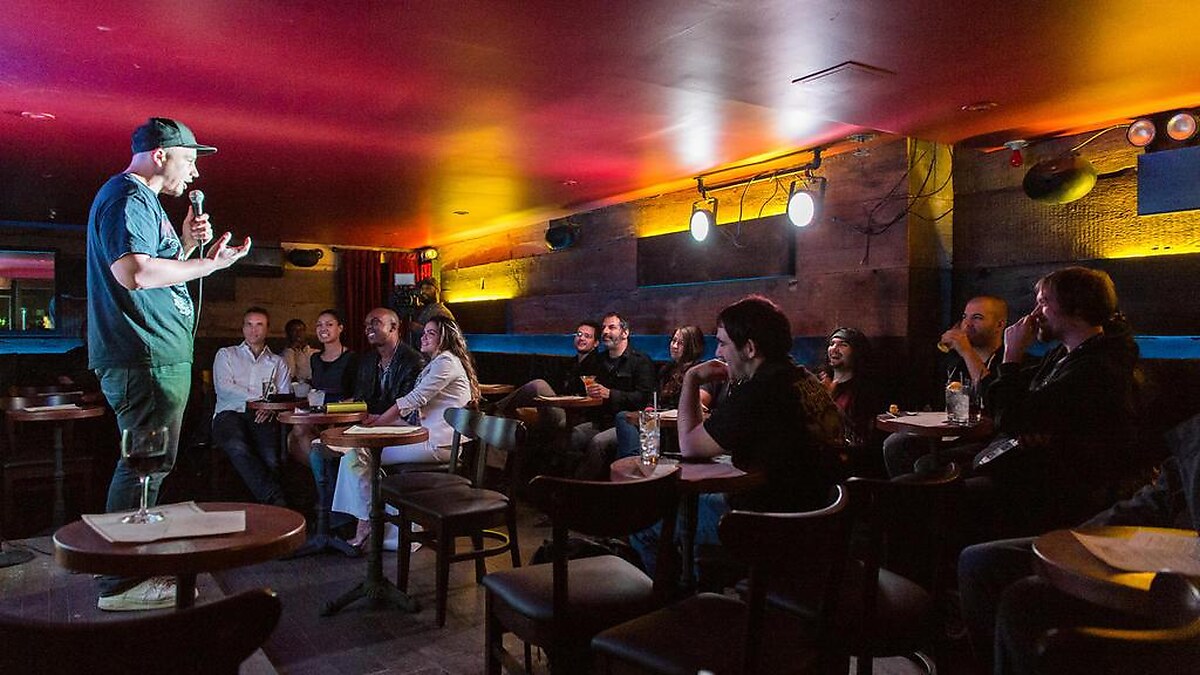
Comedy venues across the UK are obsessed with the wrong problem. Everyone debated whether five-minute sets outperform ten-minute ones. Meanwhile, venues close because they can’t afford to keep the lights on.
Set length means nothing if the venue doesn’t exist.
When it comes to comedy set length, understanding these key aspects is crucial.
The Real Crisis Venue Owners Face
The hospitality crisis is killing new comedy talent because venues run out of cash. Rent climbs. Energy bills spike. Staff wages rise. Fewer people spend money on nights out. Result: comedian salaries fell from £26,778 to £21,143 last year.
When a venue closes, set length becomes irrelevant. Comedians have nowhere to perform.
The Live Comedy Association launched Live Comedy Day because venues need help. Comedy generates over £1 billion yearly for the UK economy but isn’t recognised as an art form. Without Arts Council money or government support, venues are treated like restaurants. They must profit on tickets alone. That’s impossible right now.
Why Obsessing Over Set Length Misses the Point
The current conversation is a distraction. Yes, short sets are becoming standard at open mics because they’re efficient. They keep shows on time. Bookers prefer them because risk drops.
But efficiency doesn’t save a venue with impossible bills.
A owner debating five-minute versus seven-minute sets misses the real threat. That choice won’t matter if rent consumes sixty percent of revenue. It won’t matter if headliners pull 30 people instead of 80 because nobody has money to spend.
What Venues Actually Need to Survive
Survival starts with real cost numbers. Most venues don’t track what each show actually costs. They know revenue but not true costs: rent, utilities, staff, insurance, sound maintenance, promotion. Without those numbers, every decision is guesswork.
Start there. Calculate break-even. Know how many tickets you need to sell and at what price. That number tells you everything – target audience size, whether more shows help, when to close for savings, when to push promotions.
Then talk about set length. Once you know costs, set length becomes a tactic. Need 60 people to break even? Two shows nightly with five-minute sets means 24 comedians split one crowd. That works. Need 100? Five-minute sets might kill you by spreading audiences too thin.
The Venue Owner’s Actual Competitive Edge
Here’s what separates surviving venues: they treat promotion like half the job. Not optional. Not Instagram posts. Essential.
Booking an act and selling out differ entirely in how you market it. Half-empty shows mean other promoters won’t book there. Word spreads. Comedians avoid you. You cut prices. Fewer people come. Everything gets worse.
Surviving venues run solid email lists. They promote three weeks ahead, not one. They partner with local media. Each show matters. They track what works – which comics draw, which nights are strong, which promotions work.
Then they double down. Not retreat.
The Relationship Question Venue Owners Avoid
Want better comedians? Stop thinking transactional. Stop asking “what’s the lowest pay I can offer?” That’s how you become the desperate venue everyone skips.
Instead, build reputation. Host quality local talent consistently. Pay on time. Create space where comedians feel respected and audiences feel welcome. Treat emerging comics as future headliners because some will be.
Venues that book strong talent earn credibility first. They host quality shows regularly. People trust them. Comedians want to play there because rooms stay full and responsive.
This takes time. It takes upfront money. Struggling venues can’t afford patience. That’s the bind.
Why This Matters for Comedians Too
Comedians blame venues for being disorganized or cheap. Venues blame comedians for lateness and poor prep. Truth: both operate from scarcity. Not enough viable venues. Not enough paying gigs. Everyone squeezes harder.
Comedians who want venues to survive must understand their economics. Show up early. Respect the time limit. Promote your own set. Bring your crowd if you can. Better shows mean that venue survives for the next comic.
Venues wanting comic success must pay enough for material development. Obvious, right? It’s not happening. Most comedians in 2026 need day jobs because venues don’t pay enough for solo comedy survival.
What Happens Next
The comedy industry is at a turning point. Venues either get serious about survival – real costs, audience building, treating comedy as cultural work – or more close. When venues close, talent pipeline breaks. Clubs surviving the pandemic can’t survive this.
Short sets didn’t cause this. Better set management didn’t either. This is pure economics. Rent. Energy bills. Venues are asked to profit like restaurants while valued like they don’t matter culturally.
The conversation about set length will become irrelevant if the venues disappear. That’s the actual problem nobody wants to solve.
Sources & References
- Why Short Comedy Sets Are Winning in 2026 – Open Comedy
- Hospitality Crisis is Killing New Comedy Talent – The Whip Line
- Live Comedy Day: Why Comedy Isn’t Recognised as an Art Form – Big Issue
- How to Book Major Comedy Acts: The Peter Kay Effect – Open Comedy
Frequently Asked Questions
Q: Should my venue cap sets at five minutes or ten? That depends entirely on your business model. Calculate how many people you need in the room to break even. Then choose a set format that supports that. Five-minute sets work if you have a deep comedy talent pool and can draw 100+ people. If you’re in a smaller market, longer sets might be better for building intimacy with smaller crowds.
Q: How do I know if my venue is actually viable? Look at real costs. Rent plus utilities plus staff plus insurance – divide by average attendance. If that number exceeds what you can charge per ticket, you have a structural problem. No booking strategy fixes that.
Q: What’s the fastest way to build a better comedy audience? Consistency plus promotion. Pick a night. Host quality talent every time. Promote three weeks out through email, social, and local press. Track attendance. Do more of what works. Most venues do this half-heartedly. Do it completely. That’s your edge.
Q: Should I pay comedians more or less? You should pay them enough that you can expect reliability and quality. If your guarantee is so low that only desperate comedians say yes, you’ll have desperate performances. If you pay fair rates and attract solid talent, your venue becomes the place people want to perform at.
Q: Is April a good month to launch a new comedy venue? No. April is touring season. Established acts are on the road. You’d be competing for attention. Focus on building through slower months (June-August, post-Christmas) when touring comics are between tours and your venue can get attention.
