
Comedy News Filed 22 Oct 2026 · 05:39
Glasgow Comedy Festival 2027: the 20 November brochure deadline and what the fee buys
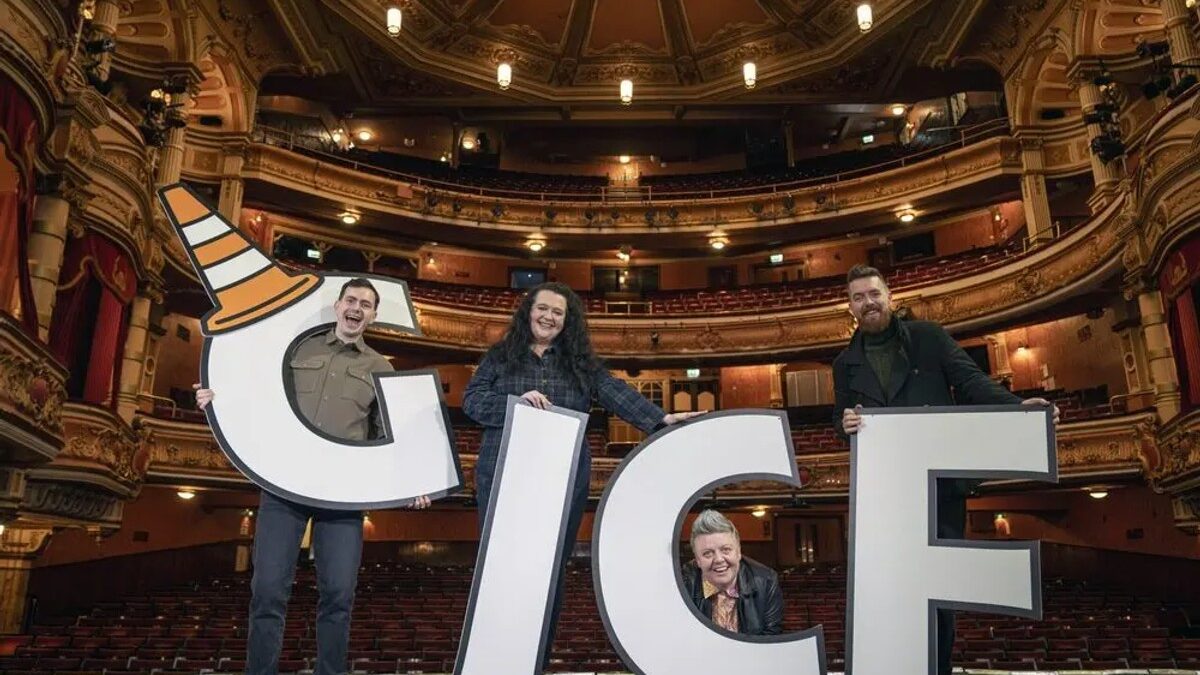
If your room holds 100 or less, twenty pounds is the gap between appearing in the Glasgow International Comedy Festival guide and existing only as a line on a website that people have to go looking for. The 2027 fee table lists £47 for the web and festival guide listing and £27 for web only. The twenty quid is the easy part of the decision. The two routes don’t open and close at the same time.
When does Glasgow Comedy Festival 2027 act registration close?
Act registration for the web and brochure opened on Wednesday 16 September 2026. It closes on Friday 20 November 2026, according to the festival’s own get-involved page. After that there’s a second, cheaper route: web-only registration opens on Wednesday 9 December 2026 and closes on Friday 8 January 2027. The festival itself runs from Wednesday 10 March to Sunday 28 March 2027. The official launch is Thursday 7 January 2027, one day before the web-only window shuts. You don’t need to have worked in print production to guess what that sequencing means for a show registered on 6 January.
Glasgow Comedy Festival fees are paid through Eventotron and, in the festival’s own words, are non-refundable. The published table is scaled by capacity, running from that £47 at the bottom up to £222 for a venue of 1000 or more. At the top tier there’s no web-only price offered at all. The venue registration page frames the whole thing as one long window, 16 September 2026 to 8 January 2027. That’s true, and also slightly misleading if you’re skim-reading on a phone between gigs. The useful deadline, the one that decides whether you’re in print, is 20 November.
Anyone trying to time an announcement should note one more date. The festival’s second programme announcement is listed for Thursday 5 November, a fortnight before the brochure deadline. If you’re a small-room act working out whether to commit to a Glasgow Comedy Festival run, that helps. GICF is releasing the 2027 programme in waves, and it lists Announcement 2 for Thursday 5 November, before the 20 November brochure deadline.
The venue hire deal is a separate conversation
The registration fee isn’t the only cost: GICF’s venue registration form asks venues to have ready the hire charge or deal they are offering artists, which sits on top of the registration fee. Its venue registration form asks venues to have ready the “Hire charge / deal available to artists”, which sits on top of the registration fee. Open to venues since July 2026, that form is where the actual cost of your three weeks in March gets decided. Worth asking what the hire includes while you’re at it: the venue registration form asks venues to have the hire charge or deal they are offering artists ready, and that sits on top of your registration fee.
On the selling side, GICF puts it plainly on the act registration page:
Selling tickets and marketing your show is ultimately the artist’s responsibility.
Registering acts also need a See Tickets client account, which is where festival tickets are sold. What GICF does spell out is that registration fees are payable via Eventotron and are non-refundable.
636 shows, 43 venues, 62,300 tickets
Chortle reported at the end of March that the 2026 festival hosted 636 shows and events across 43 venues, with more than 62,300 people attending shows over 19 days, a record for the event. Divide one by the other and you get roughly 98 tickets per listed show or event – tickets per listing, not per performance, since a listing can cover more than one night – which is the sort of number nobody puts on a poster. British Comedy Guide’s listing for 2027 sums the whole festival up in eight words, “Many top names perform in Glasgow in March”, which is both true and no help whatsoever if you’re act number 500.
That’s the honest case for paying the extra twenty quid at the bottom tier. Nobody’s promising you a crowd for it; what you get is a line of type in the festival guide, sitting alongside the acts in rooms of 1000 or more, who pay £222 for the privilege. Whether that’s worth it depends entirely on your venue, your flyering stamina and how many people you know in the city, which is the same calculation acts run before the smaller type on a festival bill anywhere else.
Glasgow’s brochure deadline lands before the Fringe opens registration
Here’s the calendar quirk that makes the 20 November date sting. Edinburgh Festival Fringe says registration for the 2027 Fringe will open in January, so if you’re a UK act planning a year, Glasgow’s Friday 20 November 2026 brochure deadline falls before Edinburgh will even accept a registration. Melbourne, meanwhile, has registrations open now for a festival running Wednesday 24 March to Sunday 18 April 2027, a window that starts four days before Glasgow finishes. Pick one, because the flights are long and those two programmes sit on top of each other for five days. We’ve covered the Melbourne venue and registration deadlines and the Sydney 2027 application process separately.
For most working UK comics, though, the real question is whether a March run in Glasgow produces anything you can use afterwards. That’s the same test as turning a Fringe hour into a tour pitch. A spring festival run with a printed listing, tickets sold through your See Tickets client account and a reviewable show is a better pitch document in May than an August hour nobody has seen yet.
So: 20 November for print, 9 December to 8 January if you’d rather save the money and take your chances with the search function. The thing I keep turning over is that the web-only window closes on Friday 8 January 2027, the day after the official festival launch on Thursday 7 January 2027. Somebody, somewhere, will register a show on the afternoon of 8 January 2027, when web-only registration closes, and then spend the nine weeks before the festival opens on 10 March explaining to people why it isn’t in the guide.
