
Comedy News Filed 4 Jun 2026 · 10:47
Frankie Boyle’s company is sitting on £4.24m
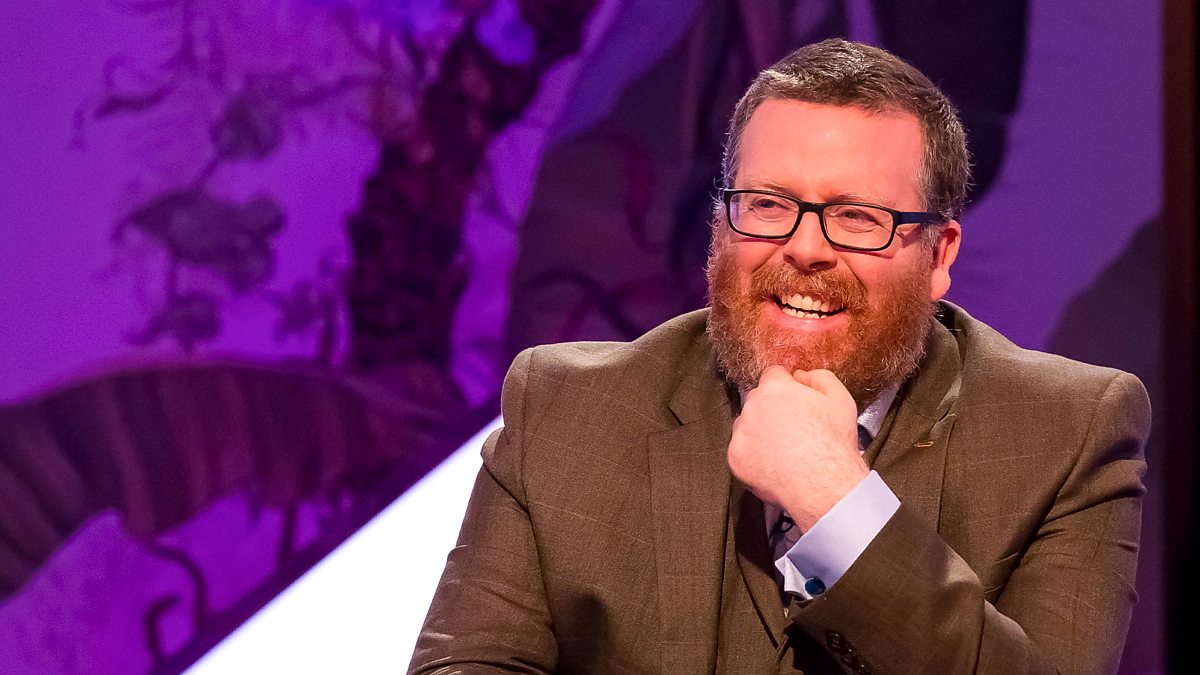
Frankie Boyle’s comedy company, McShane Karate Limited, was sitting on £4,244,000 in shareholder funds at the end of August 2025. That’s the figure on the latest accounts filed at Companies House, which Chortle picked up and ran on 31 May. Twelve months earlier the number was roughly the same. Whatever the run of Sky commissions and book deals is doing to his earnings, it didn’t shift the Ltd much over the year.
The company was incorporated on 13 August 2014, registered at 3 Bunhill Row in the City of London. Its Companies House file lists four SIC codes: radio broadcasting (60100), television programming (60200), performing arts (90010), and artistic creation (90030). That’s most of a working comic’s revenue map in four lines. There’s no separately registered touring vehicle under his name; whatever live income there is, it presumably goes through here too.
What the accounts actually show
The £4.24m is shareholder funds, which is net equity after liabilities, not cash sitting in a current account. Companies of this size file abbreviated accounts, and the published detail doesn’t break out cash versus debtors versus intangibles. So all you can say from the public figure is that the company has built and held a substantial reserve.
By working-comic standards, £4.24m is a lot. For context, the Gilded Balloon’s show support fund handed five Fringe shows £2,000 each last week. Boyle’s Ltd holds 424 of those grants. The Matt Hollins newcomer prize for over-35 comics was £150. You could keep that competition running on the interest off Boyle’s company for a very long time.
The comparison isn’t a swipe. He’s been touring at scale and writing for television since the mid-2000s. The comics those funds support are at the opposite end of the same career arc. What I do find odd is that nobody covers comedians’ company filings outside of Chortle’s occasional sweeps. The numbers are right there at Companies House for anyone with a free login and ten minutes.
The cruise quote, in context
Frankie Boyle, in conversation with Frank Skinner (the quote is from a Skinner interview, surfaced in the Chortle write-up):
“When you get to the point that you have money, you realise that luxury and that whole idea you were sold of, ‘Oh it would be nice to go on a cruise’ – well it really isn’t.”
That reads as honest to me, and I don’t think it’s performative. Boyle has spent two decades being broadly suspicious of wealth on stage, and the Skinner exchange comes across as a continuation of that. Chortle pairs the quote with a paraphrase that he’s previously called money “pretty pointless”, though the phrasing there reads like theirs rather than his.
You can hold both readings at once. A comedian who finds the actual trappings of money tedious can also have a competently-structured limited company that retains earnings rather than distributing them. Boyle has held both positions for years without anyone seeming to find the combination interesting.
What the Ltd is doing with the £4.24m
A limited company is the standard route for any UK comedian past a certain earning threshold. It becomes effectively universal once broadcaster contracts and royalty pipes are involved. Retained profits sit in the company at corporation tax rather than dropping into top-rate personal tax. They get drawn down as dividends or salary at the comedian’s discretion. It’s standard small-company planning, the same setup almost every full-time working comic in the country uses once they’re past their running costs.
The shape of Boyle’s filings is mildly more interesting. The fact that £4.24m has held roughly steady year on year suggests he isn’t drawing out enormous dividends. It also suggests incoming work hasn’t dramatically expanded the equity pile. That’s consistent with a writer-performer in a quieter live phase, taking cheques as they arrive without flooring the calendar. The next set of accounts, due at Companies House by 31 May 2027 for the year ending August 2026, will be the first to reflect the Sky novel adaptation deal.
Set that alongside how broadcasters and developers move money around the same talent pool. The BBC New Comedy Awards heats now consolidated in Coventry, or Jon Petrie’s move from BBC director of comedy to Hat Trick in August, both sit on a different tier of the same stack: established comics with their Ltds and Sky deals at the top, the developer talent moving between BBC and indies in the middle, and the new heat-night arrivals at the bottom waiting to be seen.
The McAvoy and Bonnar bit
The financial-prospects line in the Chortle write-up isn’t speculation. Boyle’s debut novel, Meantime, is being adapted by Sky with James McAvoy and Mark Bonnar attached, per the same article. No transmission date has surfaced. None of that money would have hit the August 2025 accounts in any case, which is part of why the year-on-year figure looks flat. Option payments and any commission step-ups would land in the 2026 file.
The figure I’d actually like to see, and won’t, is what the live-touring portion of his Ltd grosses in a non-tour year like this one. Boyle has been doing sporadic dates rather than a full run, and the abbreviated accounts won’t tell us whether that’s a deliberate slowdown or just the calendar refusing to clear. The Sky drama might eventually answer the question by making the next filing too busy to be useful.
