
Comedy News Filed 16 May 2026 · 08:30
Leicester Comedy Festival’s Unpaid 78%: When the Charity Spends the Ticket Money First
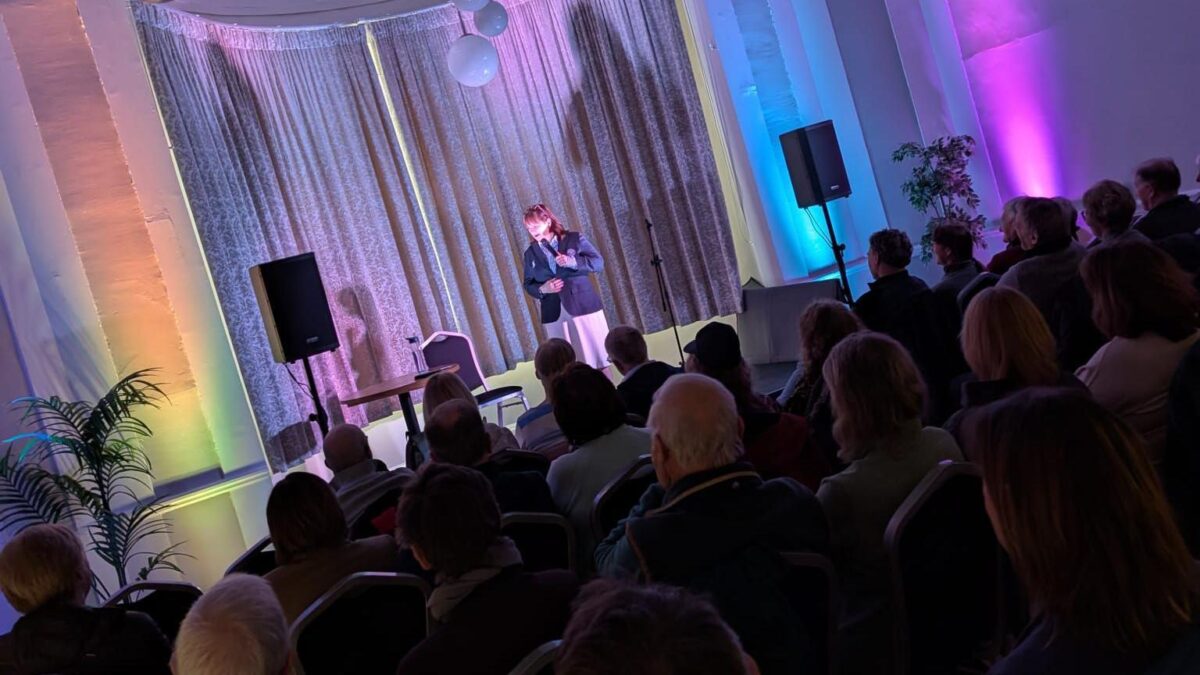
Benjamin Alborough told the BBC he’s owed “just short of £2,000” by the Leicester Comedy Festival. He added the bit any working comic would: “I’ve got bills to pay like everyone else.” The festival’s settlement date was 19 April. As of mid-May, by the festival’s own admission, only 22 per cent of artists had been paid on time. The other 78 per cent missed it, and many are still watching their inbox. On the Chortle estimate that’s about 289 of roughly 370 shows.
Alborough has since been paid, but not by the festival directly. He told the BBC that Colin Bowles of TrippleCeePee, one of the festival’s production partners, settled what he was owed. The wait continues for hundreds of others – a third party stepped in for one act while the charity that took the ticket money is still hunting for the cash to do the same for everyone else.
What 19 April was meant to look like
The 2026 Leicester Comedy Festival ran 4 to 22 February. About 100,000 tickets, more than 500 acts, 700-odd shows across the city – Stephen Fry, Sara Pascoe, Rosie Holt on the marquee. And hundreds of jobbing circuit comics doing the rooms above pubs that pay the actual rent. Settlements were meant to land in performers’ accounts on 19 April. Instead the email that landed told acts the money wouldn’t be arriving “to protect the charity’s cashflow position”. The festival had “prioritised urgent operational expenditure” over getting performer money out the door.
That sentence is the one to sit with. The festival doesn’t really own the ticket revenue – it collects on the acts’ behalf and is supposed to pass it on. Using it for operational costs first is the bit performers tend to find harder to forgive than the delay itself. One comic owed £104 told Chortle: “It’s not life-changing but still annoying. I didn’t realise them ‘processing’ my ticket sales meant ‘spending’ them.” Another, owed roughly £600, pointed out they’d already paid the festival a thousand pounds in fees upstream. They added: “That’s a lot of money for what is essentially a pay-to-play gig.”
The pay-to-play math nobody puts on the poster
The bit most coverage glides past is what decides whether a circuit comic comes home with money or a hole in the account: the registration fees. They’re £72 for the smallest venues and up to £310 for the bigger rooms. That’s per show, before flyers, before the train down from Edinburgh or up from Bristol, before three nights in an Airbnb where the heating dies on the Sunday. Working comics I spoke to during February reckon a self-produced Leicester run sits anywhere from £400 to £1,200 deep before a single bum’s on a seat. The festival isn’t pretending otherwise – those fees are advertised – but the settlement cheque is doing the work of turning a £700 loss into a £200 profit. That’s the cheque that’s late.
Which is also why a settlement now a month overdue isn’t a paperwork inconvenience. Reported individual amounts owed run from £104 to nearly £600 per performer, with at least one promoter, according to Beyond the Joke, owed over £4,000 – at the lower end that’s the train fare home, at the upper end it’s payroll for actual members of staff. The pattern is the one the Live Comedy Association’s parliamentary push earlier this month tried to name out loud: circuit performers and grassroots venues run on margins so thin that an aged-receivable line item is a personal cashflow crisis.
A charity whose income and expenses match almost to the pound
The festival is run by Big Difference, a Leicester charity whose published annual income sits around £500,000 against expenses that come in, year after year, at roughly the same figure. There’s no surplus to draw down. When ticket sales for the year’s biggest event get spent on operating costs in March, there’s no rainy-day pot to backfill the artists in April. Michael Harris-Wakelam, the charity’s CEO, told the BBC: “What we’re trying to communicate with [the artists] is this is a case of a small delay rather than ‘you won’t be paid’.”
“This year we have gotten it wrong and as such we must delay settlement payments whilst we wait for expected income to be received.”
– Statement from the Leicester Comedy Festival to performers, reported by Chortle
Harris-Wakelam blamed outstanding sponsorship money, ticket-platform reconciliations and commissioned-show payments not yet received by the charity. That is plausible, and probably true in the strict accounting sense. It also raises a slightly uncomfortable question about ring-fencing, which is what trade unions exist to ask. Equity is listed among the festival’s partners. The acts owed money are, in many cases, Equity members. I’d be very interested to read the next letter Equity sends to Big Difference, and I suspect it’ll be less collegial than the one in the partner deck.
LCF in the Park is still on the calendar
The bit that surprised me, honestly, is that Big Difference is pressing on as if the calendar hasn’t noticed. The 2027 festival is going ahead. LCF in the Park, a one-day outdoor spinoff, is booked for June this year. That’s a confidence call by the charity (“the cashflow problem is real, the festival isn’t”) but it’s also the awkward sales-pitch the next round of registering acts will read. If you’re a circuit comic deciding in late August whether to drop £72 to £310 on a Leicester slot, what matters is whether the cheque clears in April or July, and what that does to your tax year. Everyone loves the audience – Alborough loves it, told the BBC he wants to come back – that part was never in dispute.
The wider context isn’t kind here either. Chortle’s February wage-slump survey reported circuit fees down sharply on pre-pandemic levels, and bookers across the country are tightening lineup criteria rather than expanding spend. Even the bigger institutional plays – the BBC’s Liverpool festival with its free-ticket model, the Fringe May programme drop – assume comics can carry a few thousand pounds of float for two to three months. Leicester just demonstrated what happens when that assumption meets a charity’s bank balance in March.
Three things to count between now and August
Three things are worth tracking specifically rather than vaguely. First: the running tally of how many of the 78 per cent get paid in May versus June – the festival has not, to my knowledge, given a revised settlement date, only a vibes-based “soon”. Second: whether Equity or the LCA issues a public statement, because as of writing neither has, and that silence becomes informative around the four-week mark. Third: registration fees for 2027 when they open. If Big Difference quietly drops them, or restructures so artists keep the ticket revenue in escrow until settlement, that’s a real change. If the fees stay the same and the email goes out in August as if 2026 didn’t happen, that tells you what the charity learned, which is: the room will sell out anyway.
Alborough’s last line to the BBC was that he’d be back in February regardless. “I absolutely love it,” he said, “and I really, really want to be able to come back next year.” Registration for 2027 opens in late August. The fee schedule, last I checked, was still the same one as last year.
Sources
- In-the-red Leicester – Chortle (20 April 2026)
- Leicester Comedy Festival Performers Still Unpaid – Beyond the Joke
- British comedians owed thousands by big UK comedy festival – BBC News via AOL
- Hundreds of comedians unpaid by one of UK’s biggest comedy festivals – AOL
About this article. Researched and drafted with AI assistance, then reviewed by the editorial team. See our editorial policy for how we use AI in our reporting, and our corrections policy if you spot an error.
