
Stand Up Comedy Tips Filed 21 Sep 2026 · 16:48
How to Turn Your Edinburgh Fringe Show Into a Targeted Tour Pitch
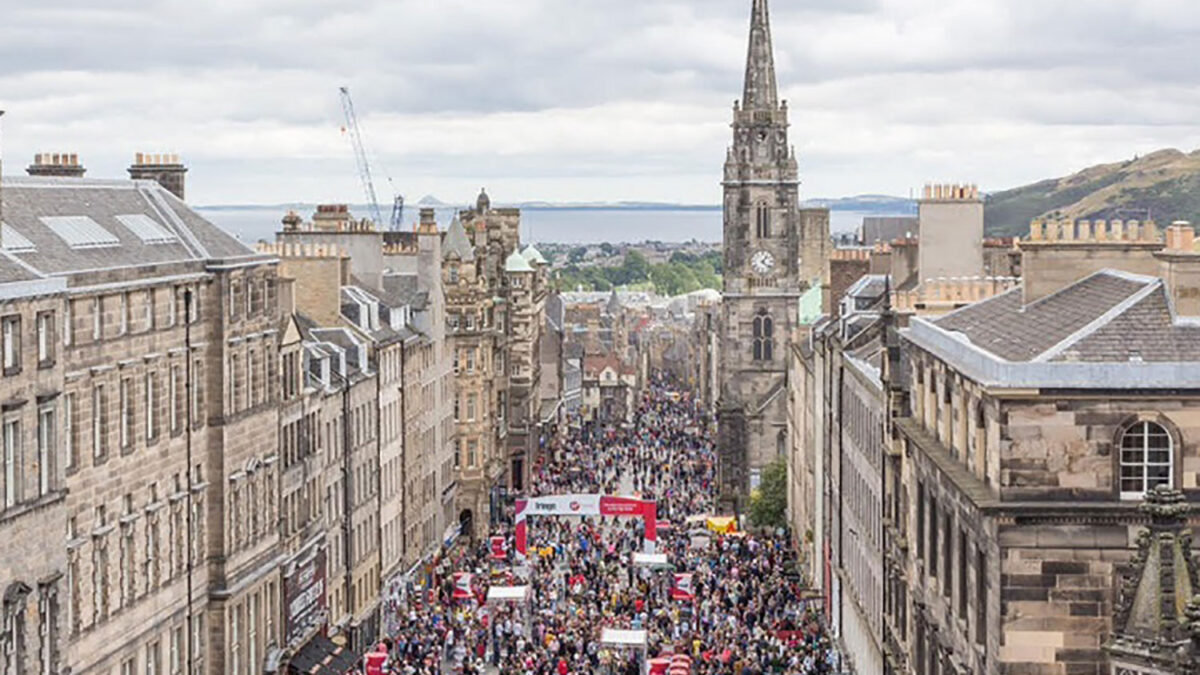
Is your Fringe show ready to tour?
A Fringe show is ready to tour when you can show that an audience may want it and name the sort of room it suits. You must also deliver a reliable technical version and explain any material that limits where it can play. Before writing a tour pitch, do the less glamorous September shift. The Fringe Society tells artists to follow up with industry visitors, archive the show and press releases, and calculate the actual expenditure. The lanyard can stay on the kitchen chair; the receipts can’t stay in a tote bag.
New York comedian Arielle Dundas gave BroadwayWorld a useful warning while discussing the Fringe:
There’s also a small chance the Fringe will change your life and make you famous. I have seen it happen. But I’ve also seen people become embittered as it didn’t happen for them. So I think it’s best to just enjoy the experience for what it is, while always putting on the best show you possibly can for whatever audience is right in front of you.
That distinction matters after August. A good run gives you evidence for a tour pitch, though nobody acquires a tour by divine right. Put your evidence in one document: paid attendance by performance, with complimentary tickets kept separate. Include repeat bookers, audience comments you have permission to use, press coverage, mailing-list sign-ups and any direct approaches from programmers. Keep the empty Tuesday in the sheet as well. Give the programmer the paid headcount for that Tuesday before reaching for adjectives in a nice jacket.
The Fringe Society’s readiness questions cover favourable reviews, word of mouth, awards and feedback. They also cover technical confidence, suitable regions, venue scale and material that could narrow an audience. Positive press is useful, and its tour-pack guidance explicitly allows audience reviews when press reviews are absent. If the show still needs a new ending, book more work-in-progress dates and test it. Do the same if it only works with a crowd already familiar with you. Calling that development is perfectly respectable; plenty of shows could use another night above a pub before meeting a theatre programmer.
Find the room before you write the pitch
The useful order is venue, audience, show, then email. An unrepresented comic sends the first approach to a named programmer or programming address at a room that already presents compatible work. September is a sensible time to contact somebody who saw the Fringe performance because the Society specifically advises following up then. For cold approaches, the venue’s published process decides the timing and material.
Camden People’s Theatre offers one venue’s concrete requirements. Its theatre has 63 seats, and its programming page asks an artist inviting the team to explain why CPT is the right venue. A tour pitch submission should cover the show, team, technical requirements, timeline and availability. The useful lesson is tailoring. A sentence about why your hour belongs in that particular programme earns its space, and a paragraph declaring it suitable for everyone usually needs a lie-down.
Make a target sheet with the venue name, programmer, room size and the programme strand that fits. Include the audience connection, published submission route and the reason you chose it. Add one nearby date only when you genuinely have one. Geography should follow evidence: hometown sales, mailing-list postcodes, previous club bookings, or an invitation. The Fringe Society also advises researching where similar shows have toured. That is a better starting point than dropping pins wherever you once had a pleasant sandwich.
Keep the size of the wider market in view and make claims only from your own figures. Our recent Fringe coverage supplies context, while your own sales ledger supplies the claim a programmer can assess. State capacity, paid attendance and the number of performances separately. “Sold out” means little unless the recipient knows which room sold and how often.
Put the show in a boot before it goes in a PDF
The Fringe Society asks whether a set can be made portable, what its minimum lighting and sound requirements are, which specialist items can be sourced locally and how the set, props or equipment will travel. Answer those questions before polishing the biography. A programmer needs a clear account of the people, equipment and scenery that will arrive with the show.
Write two technical specifications. The minimum version should describe the smallest honest production you can perform without damaging the show. The preferred version should cover the lighting states, sound cues, projection and setup time that make it look its best. Name what you bring, what the venue must supply and what can be substituted locally, and mark every essential item clearly.
Do the same with audience suitability by stating the running time, interval position if there is one, age guidance and the content a venue needs to programme responsibly. The Fringe guidance specifically asks artists to consider swear words, nudity, sexual or political themes, along with language and cultural constraints for international work. Put this information near the synopsis so programmers can assess suitability before making a booking.
Select one live video that represents the touring version. Give its running time, identify the venue and explain whether it is a full-show recording or an excerpt. A fast-cut trailer can sit beside it as supplementary material, and the live video still has to show that the hour works continuously. If the footage is all red light, audience heads and one heroic cough, our report on a self-funded comedy special offers a more ambitious point of comparison.
Send the short email before the fat PDF
TheSpaceUK’s 2026 press and marketing guide says a touring and promoter pack may contain a press release, production images, videos, flyers and programmes. Its sharper instruction is to avoid mailing the pack to everybody: send producers or promoters a quick synopsis, then provide the full pack when they express interest. This is particularly kind to the person whose downloads folder already contains FINAL-final-USETHIS-2.pdf.
Keep the three audiences separate. A press release gives a journalist the story and reporting details, public artwork gives a ticket buyer the title, image and booking information, and a tour pitch helps a programmer judge fit, demand, delivery and cost. They can share accurate copy and photographs, provided the promoter pack doesn’t read like a flyer shouting across Bristo Square.
Tailor the first two sentences every time. Camden People’s Theatre even publishes the subject line it wants for a programming submission and asks for the show’s team, technical requirements, timeline and availability. Follow the recipient’s wording when it exists. A bespoke tour pitch shows that you have read the programme, while an attachment fired at 80 addresses only confirms that the blind-copy field still works.
Cost the Tuesday in Leeds, including breakfast
There is no honest universal fee for a tour pitch. Work out the minimum cost of fulfilling each date before discussing terms. The Fringe Society’s budget list includes performer and crew pay, production running costs, royalties, marketing, subsistence, freight, visa costs, travel, accommodation, a share of original production costs and ongoing overheads. Your own formula should expose every included item and every venue-dependent item, preferably before a service-station receipt becomes an archaeological find.
Add contingency after calculating the base. The Society recommends 5-10% for emergencies and unforeseen costs, then suggests getting a second opinion on the final fee from a trusted programmer, funder or touring company. That percentage belongs in your private working budget. It shows how quickly a route becomes unaffordable when the train is cancelled, even if the base figures looked survivable.
Keep the fee out of the public pack and website. The Fringe guidance tells artists to know their costs, adjust to the presenter and avoid publishing fees in promoter material. Your private sheet can hold the minimum, the preferred fee, travel assumptions and the point below which you decline. The email only needs to say that terms are available for discussion once the venue has shown interest.
When a venue proposes a split, ask which charges come off the gross box office before your share is calculated, who sets the public ticket price and who supplies the sales report. Any public price must be presented clearly; our report on delayed festival refunds shows why customer-facing terms matter. For personal planning, the reported earnings of UK comedians are a bracing reason to cost the hotel as carefully as the microphone.
Leave the industry page unlocked
The Fringe Society recommends maintaining an up-to-date industry section on the artist’s website so interested promoters can access touring information and marketing material. Give it one stable address containing the synopsis, representative video, technical sheet, press and audience quotes, downloadable images, availability window and direct contact. Date the technical document, remove expired dates and test every link without being logged into your own cloud account, an indignity worth discovering at home before a programmer finds it.
Fringe Marketplace is an additional route for eligible work. Profiles submitted for the 2026 festival remain live until spring 2027, but the Society describes the platform as being for market-ready work or artists well positioned for development beyond the Fringe. It also says the route probably won’t suit a first-time independent semi-professional, amateur or student company that year. Check eligibility before pasting its logo onto the footer.
After sending the first contact, record the date, recipient, material sent and any reply. If interest arrives, provide the requested pack and begin a venue-specific conversation about availability, technical fit and terms. If the answer exposes a recurring problem, fix the asset once on the industry page. Nobody should receive three different running times because one biography survived from previews and another escaped from the printer at 2am.
Sources
- Edinburgh Festival Fringe: Getting started
- Edinburgh Festival Fringe: Touring things to consider
- Edinburgh Festival Fringe: Preparing to tour
- Camden People’s Theatre: Programming
- theSpaceUK: Guide to Press & Marketing 2026
- BroadwayWorld: Arielle Dundas shares Fringe advice
- Edinburgh Festival Fringe: Fringe Marketplace
Start with one venue whose programme you can explain in a sentence, then check the show against its room, write the minimum technical version, cost the actual journey and send the short email. The useful result this week is a reply from the right programmer, or a clean note showing why that 63-seat room belongs further down the list, beside the coffee ring and a train fare you forgot to add.
