
Comedy News Filed 6 Sep 2026 · 12:55
Fringe says no to moving 2027, schools go back on 18 August
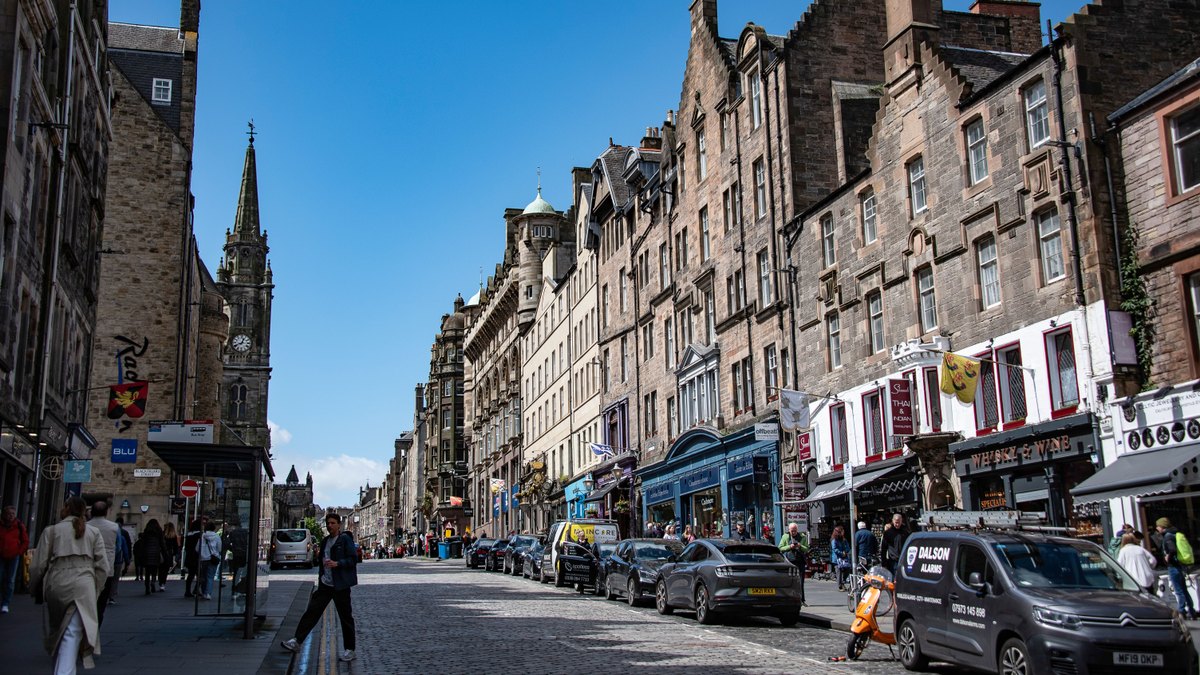
Susie McCabe had read the same press release as everyone else. “However, I would counter that with yes the front end of the Fringe was busy, the last week was appalling,” she wrote. The Fringe Society had just announced that 2.8 million tickets were issued by the final day, an 8 per cent rise on 2025. “The data do not represent what it was like for artists and venues in the last week.” Assembly Festival turned that complaint into a formal proposal to shift the whole thing forward by seven days, and on 2 September the Fringe Society said no.
We covered Assembly’s ask the day it landed, alongside the ticket figures the venue operators were arguing about. The refusal is the part that actually changes anyone’s diary. Chief executive Tony Lankester told Chortle that any change to the dates would need consultation with everyone involved: venues, artists, producers, Edinburgh Council, the hospitality sector, landlords, the other summer festivals and accommodation providers. Then he added the line that closes it off for next summer.
“However, given the extent of the consultation required and the work and planning that would need to follow any agreed change, this would not be achievable as soon as 2027.”
Tony Lankester, chief executive of the Edinburgh Festival Fringe Society, quoted by Chortle on 2 September 2026
Fringe 2027 dates: when is the Edinburgh Fringe?
Fringe 2027 runs from 6 to 30 August, and edfringe.com describes it as the Fringe’s 80th edition. Those are the Fringe 2027 dates Assembly wanted moved, and they are the dates that stand. If you’re already pricing a flat for next August, book against 6 to 30 August, and brace for the annual rediscovery that a Marchmont two-bed costs more for three weeks in August than it does for a whole spring. Stop refreshing the news for a change of heart: the Society has said the planning work behind a shift can’t be done in time.
Nothing has been announced yet about when Fringe 2027 registration opens or what it will cost, which is the number most acts actually want. The Fringe traditionally finishes on the English August bank holiday Monday. That isn’t a holiday in Scotland at all, and it can fall anywhere from 25 to 31 August depending on the year. That single quirk of the English calendar is why the 2026 festival dragged on to the 31st, the latest official end date the Fringe has ever had.
Edinburgh’s schools go back on Wednesday 18 August
The City of Edinburgh Council has published its 2027/28 term dates and the autumn term starts on Wednesday 18 August 2027. Set that against a festival opening on 6 August and you get twelve days of the run before the local school holidays end. That matches what Lankester says the new dates restore.
“The announced 2027 dates see the overlap between school holidays and the Fringe revert to the familiar 12 day overlap, unlike the once-every-six-year 5-day overlap we experienced in 2026, and which has driven much of the discussion around the dates.”
Tony Lankester, Fringe Society chief executive
The five-day overlap explains a lot of how 2026 felt on the ground. Assembly’s own statement said it was proposing the move “to allow more time before Scottish schools return in August”, and McCabe’s version was blunter: “Starting at the tail end of the first week in August is absolutely ludicrous.” Once local families are back on the school run, the walk-up audience for a 4pm kids’ show in a portakabin thins out fast, and the flyering team on the Royal Mile is competing with parents doing a Tesco shop before pick-up. Anyone who has done a late-August children’s slot knows the specific sound of eleven people in a room built for ninety.
61,277 performances chasing 2.8 million tickets
The date argument has swallowed a bigger number. Performances at the 2026 Fringe went up from 53,942 in 2025 to 61,277, a rise of roughly 14 per cent, while ticket issues rose 8 per cent. Chortle worked that through to the figure that should worry every act carrying a venue guarantee: average audiences per performance fell from 48 to 46. Two people a show sounds like rounding until you multiply it across a 22-date run and land on 44 tickets you had counted on.
The big four operators all had a decent August by their own accounting. Assembly recorded sales of more than 500,000 tickets for the first time since the pandemic, across 5,394 performances of more than 260 shows. The Pleasance issued more than 484,100 tickets and its shows won 25 awards. Gilded Balloon sold more than 215,000 tickets across 224 shows. I have never once heard an act quote their venue’s ticket total back to them in a green room. Those totals sit awkwardly next to a falling average, and they’re the reason this row is running between venue operators and the Society while the artists watch: the venues can post a record and still watch their tenants play to half-full rooms in week three, which is exactly what McCabe described on the last Friday.
Moving the festival a week earlier doesn’t change the supply side at all. There were more comedy shows in the 2026 programme than any sane person could see, and none of them get easier to sell because the run starts on a different Friday. The date shift fixes one specific problem, the school-holiday overlap, and that one sorts itself out in 2027 regardless. The extra 7,335 performances are still in the diary either way.
Forty-seven years, and a relationship the venues call fractured
Assembly’s chief executive William Burdett-Coutts put the wider grievance to The Scotsman in one sentence: “I have spent 47 years working at the Fringe and the current fractured relationship between the core venues and the Fringe Society must be brought to a close.” The dates are the thing being fought over in public. Underneath sit the arguments that have been running for years about accommodation costs, the Society’s ticketing platform and the city’s new visitor levy, none of which were settled by anyone this week.
The Society hasn’t shut the door on a future move. Lankester said any change should be agreed on the basis of solid data and input from the people who create the festival, and that the Society is open to that discussion if a consensus emerges. Put a timetable on that and it means 2028 at the earliest, with the consultation starting long before anyone registers a show. Meanwhile the practical stuff nobody consults about carries on: this year the official QMU Festival Village took bookings to 30 August while the Fringe ran to the 31st, so acts with a closing-day show were checking out of Fringe-branded digs before their last performance.
If you’re planning a Fringe 2027 run on borrowed money, the calendar you want is short: 6 to 30 August, schools back on the 18th, and a fund like Keep It Fringe now down to £40,000 for a field of thousands. The one detail I keep turning over is Lankester’s phrase “once-every-six-year”, which quietly concedes that 2026’s squeezed overlap comes round again in 2032. Somebody at the Society presumably already has that date sitting in a spreadsheet tab nobody opens.
Sources
- Chortle – Edinburgh Fringe rejects calls to bring 2027 event earlier (2 September 2026)
- Chortle – Calls grow to move the Edinburgh Fringe one week earlier (31 August 2026)
- ThreeWeeks Edinburgh – Earlier dates proposed as the future of the Edinburgh Fringe is back in the spotlight
- Edinburgh Festival Fringe – official site (2027 dates)
- City of Edinburgh Council – school term dates 2027/28
