
Comedy News Filed 22 Sep 2023 · 05:04
How to technology comedy: How Technology Is Actually Changing Stand-Up Comedy (For Better and Worse)
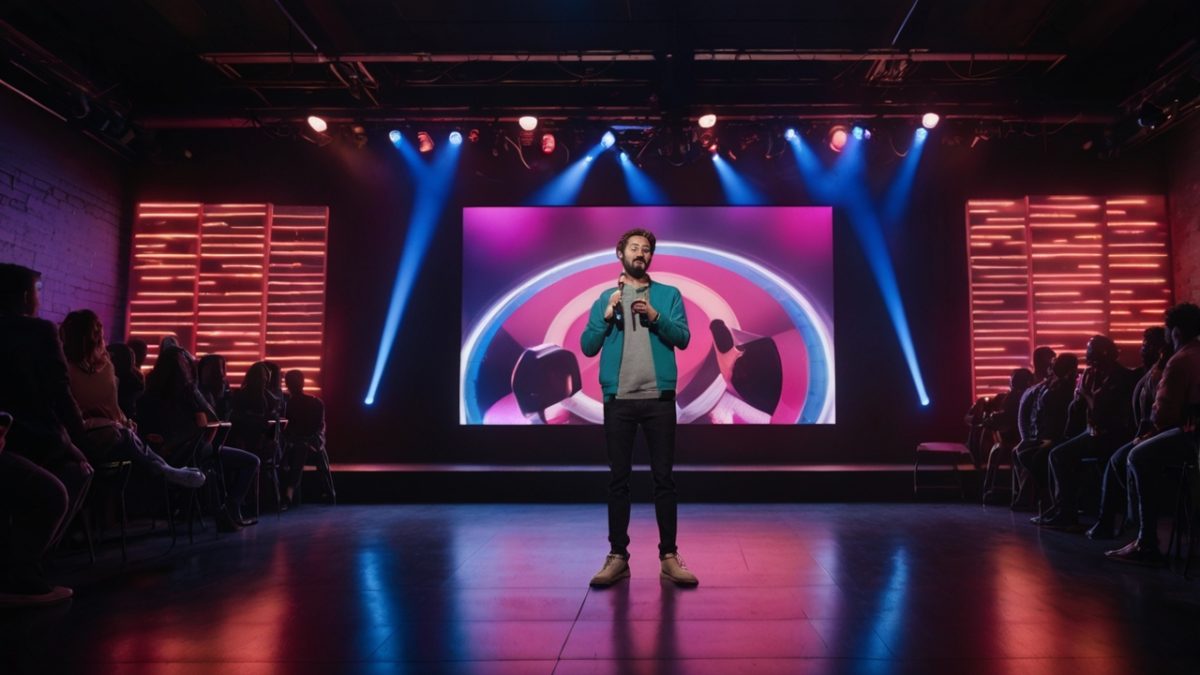
Stand-up comedy used to run on word of mouth, dodgy phone calls to venue managers, and hoping someone in the audience knew someone who knew someone. That’s changing fast — and not all of it is good.
Technology has crept into almost every corner of live comedy, from how comics get booked to how audiences find shows. Some of these changes are genuinely useful. Others feel like solutions looking for a problem. Here’s what’s actually happening.
When it comes to technology comedy, understanding these key aspects is crucial.
Getting Booked Is Less About Who You Know
The old way of getting gigs was brutal. You’d email promoters into the void, hang around after shows hoping to chat to the right person, or just do years of unpaid open mics until somebody noticed.
Online booking platforms have changed that. Comics can now list their availability, upload clips, and get found by venues directly. It’s not perfect — you still need to be good — but it removes some of the gatekeeping that kept talented people stuck.
For venues, it means they’re not limited to whoever their mates recommend. They can actually browse acts, watch clips, and book someone who fits their audience. It’s more like hiring than hoping.
Social Media as a Shop Window
Every comic now needs some kind of online presence. That’s just reality. A promoter will Google you before they book you, and if nothing comes up, you’re already at a disadvantage.
Short clips on TikTok, Instagram Reels, and YouTube Shorts have become the new demo tape. A 60-second clip of a strong bit can reach millions of people and lead directly to ticket sales and bookings.
The downside? Comics sometimes optimise for clicks rather than craft. A joke that works perfectly in a 30-second clip might not translate to a full hour. There’s a real tension between building an online following and developing as a live performer.
AI and Comedy: Don’t Believe the Hype
You’ve probably seen headlines about AI writing jokes. Let’s be honest: AI-generated comedy is mostly terrible. It can produce something that has the structure of a joke without any of the surprise, timing, or personality that makes comedy work.
Where AI might actually be useful is behind the scenes — helping venues analyse ticket sales patterns, suggesting optimal show times, or even helping comics transcribe and organise their material. The boring stuff, basically.
Nobody’s going to pay to watch a chatbot do stand-up. But the admin side of comedy? That could genuinely benefit from better tools.
Live Streaming and Hybrid Shows
COVID forced the comedy world to experiment with live-streamed shows, and some of those experiments stuck. Comics like Mark Normand and Sam Morril built massive YouTube audiences by recording and uploading full sets.
Hybrid shows — where there’s a live audience plus a streaming option — are becoming more common, especially for bigger acts. It opens up revenue streams and reaches fans who can’t make it to the venue.
But there’s a catch. Stand-up is fundamentally a live experience. The energy of a packed room is part of what makes it work. A streamed show with 200 silent viewers just isn’t the same as 200 people laughing together in a basement.
The Ticket Buying Experience
Remember when buying comedy tickets meant calling a box office? Now it’s all online, which is mostly better — except when you’re hit with five different booking fees that double the ticket price.
Mobile ticketing, dynamic pricing, and algorithm-driven recommendations are all standard now. Venues that don’t have a decent online booking system lose out to those that do. It’s table stakes.
What Hasn’t Changed
Here’s the thing: technology can help you find gigs, build an audience, and sell tickets. But it can’t write your set for you. It can’t teach you timing. It can’t replicate the feeling of dying on stage and learning from it.
The comics who are thriving right now are the ones who use tech as a tool without letting it replace the hard work of actually being funny. They post clips, but they also do five open mics a week. They have Instagram, but they also spend hours writing and rewriting material.
Technology is a useful servant and a terrible master. The fundamentals of stand-up — being honest, being surprising, connecting with a room full of strangers — haven’t changed at all.
FAQ
Do comedians need social media to get booked now?
Not strictly, but it helps enormously. Most promoters and venues will check your online presence before booking you. Having clips of your work available makes their decision much easier.
Can AI actually write good comedy?
Not really. AI can mimic the structure of jokes but lacks the personal experience, timing, and surprise that make comedy genuinely funny. It’s better suited for behind-the-scenes tasks like data analysis and scheduling.
Are live-streamed comedy shows here to stay?
Yes, but mostly as a supplement to live shows rather than a replacement. The biggest comics use streaming to reach wider audiences, but the live experience remains the core of stand-up.
Has technology made it easier to become a comedian?
It’s made it easier to be seen, but not easier to be good. The barriers to getting noticed are lower, but you still need to put in the stage time and develop your craft the old-fashioned way.

Great Commentary!