
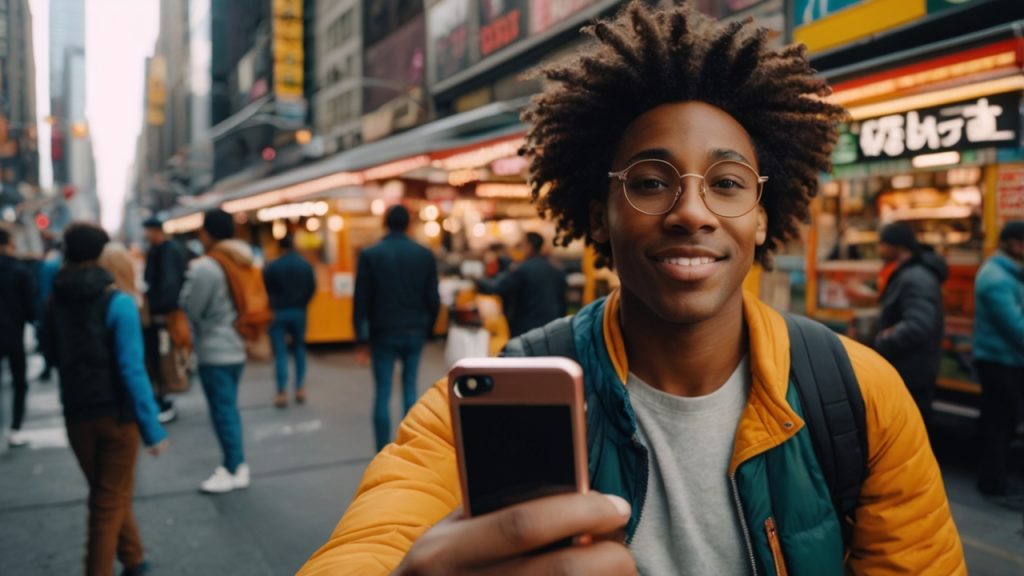
Tiktok Stand-Up Comedy is a key aspect of comedy success. TikTok didn’t ask permission before it changed stand-up comedy. It just did it. And whether you think that’s brilliant or terrifying probably depends on how many followers you have.
The app has turned unknown comics into household names, shortened attention spans even further, and created a whole new argument about what “real” comedy actually is. Here’s what’s going on.
From Open Mics to Millions of Views
Before TikTok, the path was pretty clear: do years of open mics, slowly build a local following, maybe get a TV spot, and hope for the best. It was slow, grinding work.
Now a comic can film a 60-second clip at an open mic, post it, and wake up to a million views. Gianmarco Soresi built a massive following by posting clips of his live sets — his candid style and willingness to film audience interactions resonated with millions. Matt Rife went from relatively unknown to selling out arenas, largely driven by TikTok virality.
That’s not normal. That speed of growth simply didn’t exist before.
When it comes to tiktok stand-up comedy, understanding these key aspects is crucial.
The 60-Second Problem
Here’s where it gets complicated. TikTok rewards short, punchy content. A tight 30-second bit with a strong punchline will outperform a nuanced five-minute story every time on the platform.
This creates an incentive problem. Comics who optimise for TikTok can end up with a style that works brilliantly on a phone screen but falls apart during a 45-minute live set. Writing for clips and writing for a show are genuinely different skills.
Some comics have handled this well — they use TikTok as a shop window while keeping their live work separate and developed. Others have struggled when audiences who found them online turn up expecting 45 minutes of the same quick-hit content.
The Algorithm Decides Who Gets Seen
TikTok’s “For You Page” is both the best and most frustrating thing about the platform. You don’t need followers for your content to blow up. The algorithm shows it to people it thinks will engage with it.
This means genuinely funny people can get discovered regardless of their connections or location. A comic in a small town in Wales has the same shot at going viral as someone in New York.
But it also means you’re at the mercy of an algorithm nobody fully understands. A video might get 50 views or 5 million, and you often can’t tell which one it’ll be. That randomness can be maddening.
Does TikTok Fame Translate to Ticket Sales?
Sometimes. But not always.
The comics who’ve successfully turned TikTok followers into live audiences tend to have a consistent identity that works both online and on stage. Their followers know what they’re getting when they buy a ticket.
The ones who struggle are those whose TikTok content is very different from their live work — maybe their viral videos are reaction clips or trend-based content that doesn’t reflect their actual stand-up style. When fans show up expecting one thing and get another, it doesn’t go well.
The sweet spot seems to be posting genuine clips of your live material. It’s honest marketing — people see what you actually do, and the ones who like it will come to a show.
What About the Quality of Comedy?
This is the big debate. Older comics often argue that TikTok is dumbing comedy down, rewarding easy laughs over crafted material. There’s something to that — the platform does favour simplicity.
But it’s also exposing more people to stand-up than ever before. Someone who’s never been to a comedy club might discover a comic on TikTok and end up buying tickets to a live show. That’s good for the whole industry.
The truth is probably somewhere in the middle. TikTok hasn’t killed good comedy — but it has created a parallel track where different rules apply. The best comics figure out how to work both tracks without compromising either one.
TikTok’s Uncertain Future
There’s also the question of how long TikTok will last in its current form. Ongoing political pressure, potential bans in certain markets, and constantly shifting algorithms mean that building your entire career on TikTok is risky.
Smart comics are using TikTok to build audiences they then move to other platforms — email lists, YouTube, Instagram, or their own websites. The ones who only exist on TikTok are vulnerable if the platform changes or disappears.
What This Means for New Comics
If you’re starting out in comedy right now, ignoring TikTok completely is probably a mistake. But treating it as a substitute for live performance is a bigger one.
The comics who’ll have the longest careers are the ones doing both: posting clips to build an audience while also grinding through live sets to develop their craft. One feeds the other. Neither works alone.
FAQ
Do you need TikTok to succeed as a comedian in 2025?
No, but it helps. Plenty of comics still build careers through live performance and word of mouth. TikTok is a powerful tool for exposure, but it’s not the only path.
How do you make stand-up clips work on TikTok?
Film your strongest bits during live shows, keep clips under 90 seconds, and make sure the first few seconds hook the viewer. Good audio quality matters more than fancy visuals.
Can TikTok actually hurt a comedian’s career?
It can if you become dependent on it and neglect your live performance skills. Comics who can’t deliver a full set live will struggle once the initial hype fades.
Which comedians blew up because of TikTok?
Matt Rife is the biggest example — he went from small clubs to arena tours largely through TikTok virality. Gianmarco Soresi, Nimesh Patel, and many others have also built significant followings through the platform.
Should established comedians bother with TikTok?
It depends on their goals. For reaching younger audiences and driving ticket sales, it’s effective. But some established comics do perfectly fine without it.
Are you a comedian looking for gigs?
Join Open Comedy — the free platform connecting comedians with bookers and venues worldwide. Find open mic nights, paid spots, and festival opportunities.