
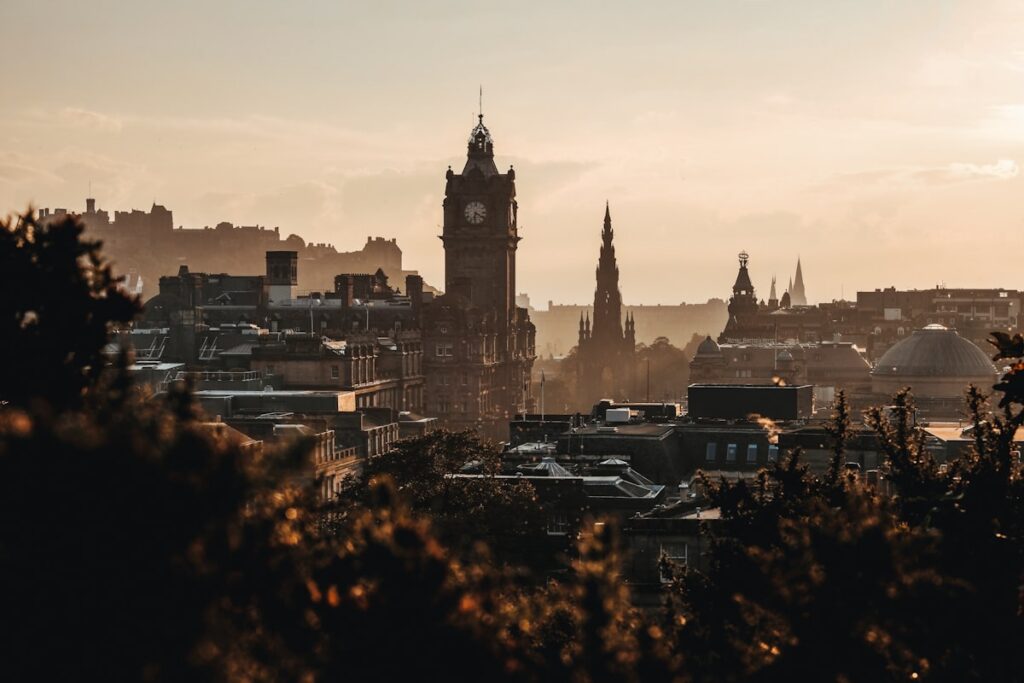
The Edinburgh Festival Fringe 2026 is back this August, and if you’re a comedian thinking about taking a show up there, now is the time to start planning. Whether you’ve done it before or this is your first go, the Fringe is still the biggest deal in live comedy for getting seen, building a following, and opening doors.
Here’s what you need to know about Edinburgh Fringe 2026 – from key dates and how registration works, to what it actually costs and how to give yourself the best shot.
What Is the Edinburgh Fringe?
The Edinburgh Festival Fringe is the world’s largest open-access arts festival. Nobody curates who gets in – you register a show, you’re in the programme. That’s what makes it exciting and also a bit chaotic. Thousands of acts across comedy, theatre, music, and spoken word flood Edinburgh every August.
For stand-up comedians specifically, this is where careers get made. Agents go to scout. Reviewers go to find the next big name. Audiences go because they want something they haven’t seen before. It’s one of the few places where an unknown act can genuinely break through in a week.
Edinburgh Fringe 2026 Key Dates
The 2026 festival is expected to run through most of August, with exact dates usually confirmed in spring. Here’s the rough timeline:
- January to March 2026: Venue registration opens. The big venues – Pleasance, Assembly, Gilded Balloon, Underbelly – start accepting applications around this time.
- March to April 2026: Performer registration opens on the official Fringe website. This is when you lock in your slot.
- May to June 2026: The programme goes live online. PR and marketing kicks into gear.
- August 2026: The festival itself. Three to four weeks of non-stop shows.
If you’re serious about performing, the window between now and April matters. Don’t sit on it.
How to Get Your Comedy Show Into Edinburgh Fringe 2026
There’s no audition panel or selection committee for the Fringe itself. It’s open access. But “open” doesn’t mean easy – here’s how the process actually works.
1. Decide on Your Format
Most stand-up shows at the Fringe fall into a few buckets:
- Solo hour: The classic. One comedian, 50 to 60 minutes. This is what reviewers and industry people pay the most attention to.
- Split show: Two or three comedians sharing a slot. Cheaper and lower risk.
- Showcase or variety night: Multiple short sets in one show. Less pressure, but harder to get individual press from.
- Work-in-progress (WIP): A shorter, cheaper run – usually in the first week. Good for testing material before committing to a full run.
2. Choose a Venue
This decision matters more than most people realise. Venues range from big operations with built-in audiences and PR teams, down to small rooms above pubs.
The Big Four – Pleasance, Assembly, Gilded Balloon, Underbelly – give you visibility, but they charge more and take a cut of ticket sales. On the other end, Free Fringe and PBH’s Free Fringe let you perform without venue fees. Audiences pay what they want via a bucket collection at the end.
Think about your budget, how much of a draw you are, and what you’re trying to get out of it. A half-empty 300-seat room is worse than a packed 60-seater.
3. Register With the Fringe Society
Every show in the official programme has to be registered through the Edinburgh Festival Fringe Society. There’s a fee – usually around 350 to 400 pounds for a basic listing. You’ll need:
- A confirmed venue and time slot
- Your show title and description
- A promotional image
- Performer details
Register early. Late additions get buried in the programme and get less visibility.
4. Sort Your Submission Tape
The Fringe itself is open access, but a lot of venues want to see a tape before they’ll give you a slot – especially the bigger ones. If you’re not sure what makes a good submission, we’ve written about the common mistakes and what producers actually look for in our guide to entering comedy festivals.
5. Budget Realistically
The Fringe is not cheap. Here’s a rough idea of what a solo comedy show might cost you:
- Venue hire: 2,000 to 10,000+ pounds depending on size and location
- Accommodation: 1,500 to 4,000 pounds for the month (Edinburgh rents go through the roof in August)
- Flyering and print: 300 to 800 pounds
- PR company (optional): 1,000 to 3,000 pounds
- Registration and tech: 400 to 800 pounds
- Living costs: 500 to 1,000 pounds
All in, you’re looking at somewhere between 5,000 and 15,000 pounds for a full run. Most comedians don’t make that back in ticket sales. The return comes from exposure, industry connections, and future bookings.
What to Expect at Edinburgh Fringe 2026
The Fringe shifts a bit every year. Based on what’s been happening recently, here’s what 2026 will probably look like.
More Short-Form and Late-Night Shows
Audiences are gravitating toward shorter sets and late-night variety formats. Expect to see more 30-minute WIP slots and late shows kicking off at 10pm or later, where the vibe is looser and crowds are up for anything.
Growing International Presence
There’s been a noticeable increase in comedians coming from outside the UK in recent years – Australia, South Africa, India, across Europe. If you’re an international act, the Fringe is one of the best entry points into the UK comedy circuit.
The Free Fringe Keeps Getting Bigger
Rising costs have pushed more performers toward free venues, and the quality has come up with them. Audiences have noticed. Some of the best-reviewed shows in recent years have been bucket shows, so don’t write off the free route.
Social Media Changes Everything
Clips from the Fringe go viral on TikTok and Instagram constantly. One strong bit filmed in an Edinburgh venue can reach millions of people. A lot of comedians now treat their Fringe run as a content opportunity just as much as a live one.
Tips for Getting the Most Out of Your Run
- Flyer like your life depends on it. The Royal Mile is a warzone, but talking to people face-to-face still works. Be genuine, don’t just shove paper at strangers.
- Go see other shows. Networking at the Fringe happens in audiences as much as in bars. Support other acts and they’ll show up for you.
- Invite reviewers in the first week. That’s when most publications are actively looking for shows to cover. Have your tightest material ready from day one.
- Look after yourself. A month of daily shows, late nights, and flyering will run you into the ground. Eat properly, sleep when you can, take a day off if you need one.
- Think beyond the Fringe. Use it to set up future gigs. Bring cards, or point people to your profile on Open Comedy so bookers and venues can find you after the festival wraps up.
Is It Worth It?
Financially, probably not – at least not the first time. But as a career move, nothing else comes close. The Fringe compresses a year’s worth of networking, performing, and industry exposure into a single month. Comedians who go back year after year almost always see it compound – better venues, bigger audiences, more bookings the rest of the year.
If you’ve got a tight hour, a realistic budget, and the stamina for it, Edinburgh Fringe 2026 could be the thing that changes your trajectory.
Are you a comedian looking for gigs?
Join Open Comedy — the free platform connecting comedians with bookers and venues worldwide. Find open mic nights, paid spots, and festival opportunities.