
Industry Trends Filed 26 Aug 2026 · 19:35
Comedy bookers could need a £10 licence, MPs told
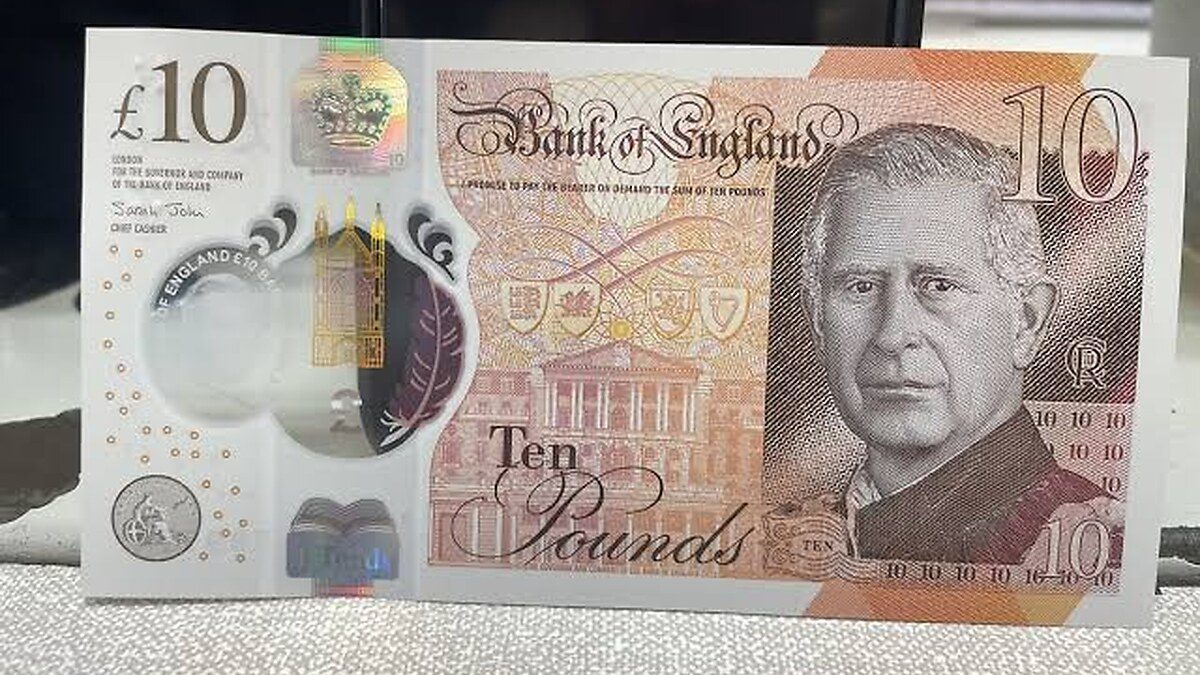
Ten quid to be a booker
“I think a licence would be good and just make sure it’s very accessible, like maybe 10 quid to apply, like very low level.” That’s Lu Jackson of Craft, giving evidence to the Women and Equalities Committee on 28 April. Her argument is that whoever books your Tuesday night above a pub should hold a government licence to do it. Chortle carried the session the same day under the headline that comedy promoters should need a government licence. Nobody stacking chairs in a back room in Salford saw that headline coming this year.
Jackson was straight about the fact that it wasn’t her original ask. “I’d like to see the government implement possibly a licence to be a booker,” she told MPs, “and that’s actually not something I thought about when I asked for this misogyny inquiry.” Nothing of the kind exists now. There’s no register of comedy bookers, no qualification, and no body with the power to stop somebody running a room. The practical entry requirement for promoting comedy in Britain remains a function room, a mic stand and the nerve to email forty acts.
Whether a tenner and an online form would change anybody’s behaviour is a different question from whether it would change the paperwork. The committee didn’t pretend otherwise. The shift worth tracking is that somebody the sector actually listens to said it out loud in a committee room, with the transcript going into Hansard. Until now the closest thing to vetting a promoter faced was whether the landlord would give them the room again next month.
Who gave evidence to the women in comedy inquiry?
The Women and Equalities Committee, chaired by Labour MP Sarah Owen, took oral evidence on the experiences of women in live comedy. The sessions ran on 15 and 28 April 2026. The first heard from comedian and writer Ola Labib, who appeared by video link, comedian Nina Gilligan of Get Off Live Comedy, and journalist Rachael Healy. The second session was the trade end, mostly comedy bookers and the people who represent them. Speakers were Aimee Perry, head booker at Manchester’s Frog and Bucket; Kelly Edwards-Good of Komedia Brighton; and Jessica Toomey of the Frog and Bucket and the Live Comedy Association. They were joined by Lynne Parker of Funny Women, Kirsten Muat of Equity, and Jackson. Two of the six that day came off the same Manchester payroll. On 1 May the committee opened a call for written submissions, with anonymity offered to anyone who wanted it.
What happens next is a report and then a government response. As of today there’s no published report and no announced date for one, so every booking practice discussed in those two sessions is still entirely voluntary. If you’re a comic wondering whether any of this reaches your Thursday spot, the honest answer is that it hasn’t yet.
470 men, 184 women, 168 weekend bills
The number underneath all of this is a count Chortle published on 12 September 2024. It went through 168 Friday and Saturday line-ups at twelve of the country’s biggest clubs and tallied who got the slots. The venues were Hot Water in Liverpool, the Frog and Bucket, the Comedy Store, Banana Cabaret, Comedy Carnival, Up The Creek and the 99 Club. Also counted were Glee in Birmingham, Komedia in Brighton, Last Laugh in Sheffield, Comedy Box in Bristol and Just The Tonic. Men took 470 of the slots, women 184.
Just under 18 per cent of those bills had no women on them at all. Komedia came out best on the ratio at 60:40, and at Comedy Carnival, Hot Water and Last Laugh fewer than one in six of the weekend slots went to women. Hot Water’s response at the time, as Chortle reported it, was that there weren’t enough women good enough to book without compromising the overall quality of the show. It also said that calling venues out hinders progress towards equality. Banana Cabaret said it had committed to no all-male shows many years ago.
You can argue about the sample – three months, weekend headline shows only, duplicate line-ups counted once – and clubs did. What you can’t do is un-see the arithmetic of a four-act bill, where the distance between balanced and all-male is one phone call made on a Wednesday afternoon by comedy bookers working from a spreadsheet of people they’ve met.
The room above the pub has no HR department
The venue side gave the day its clearest evidence, and most of it described rooms none of them own. Jessica Toomey drew the line between the clubs with contracts and the circuit underneath them:
The other issue about comedy is there has to be this almost bottom-of-the-pool circuit where it’s pubs with rooms above, where you’ve got the promoters who are a bit naive and don’t have these policies. Most promoters at that level are men who aren’t getting booked [as comedians] because for some reason or not, people don’t want to work with them. And then they’re the ones who decide to set up their own gig. At that level, it’s a gig for your mates. So it’s men booking all the gigs.
Kelly Edwards-Good of Komedia Brighton made the same split from her side of it: the bigger rooms have process, and “when we talk about open mics and grassroots situations, that’s obviously very open to abuse.” Lynne Parker of Funny Women, who has been running new-act competitions since long before select committees noticed comedy existed, described the industry to MPs as “a very Wild West environment”.
Aimee Perry, who books the Frog and Bucket, gave the detail that stuck: getting on stage is exposing enough, and doing it in a room full of men is intimidating. That is a large part of why women stop turning up. Anyone who has worked that level knows the texture of it. The promoter is also the compere, the sound op and the person holding the door money in a Tesco bag, and the lift home afterwards is offered by whoever drove. Our guide to compering a comedy night is partly a guide to being the venue’s entire staff for £30 and a pint.
£21,143 a year does not buy an HR consultant
The economics explain why the bottom of the circuit has no policies. The UK Live Comedy Sector Survey 2025 was published on 4 February 2026 in Leicester by the Live Comedy Association, with the Centre for Comedy Studies Research and British Comedy Guide. It found average earnings from live comedy fell from £26,778 to £21,143, and average weekly gigs fell from 3.2 to 2.5. The proportion of comedians needing income from outside comedy rose from 62 per cent to 74 per cent. We wrote up the earnings side of that survey when it landed.
The promoter half gets quoted far less and says more about the rooms. Thirty-one per cent of promoters sold between 71 and 90 per cent of their tickets, down from 45 per cent the previous year. Pricing barely moved: 33 per cent of tickets sat in the £5 to £12 band, against 31 per cent in 2024. The top of that band is two pints in most of the rooms selling them. Selling fewer seats and holding the price is a choice a lot of operators are making, and it is not one that generates a compliance budget. Equity’s Kirsten Muat told the committee that “98 per cent of them said that pay hadn’t kept up with the cost of living.”
Equity is also the body that has actually recovered money for comics lately, having clawed back fees for three unpaid Leicester festival acts when the festival’s own process stalled. Meanwhile the clubs that do have staff and contracts are the ones that missed out on the 20 per cent business rates cut in Greater Manchester, because comedy sits in the wrong box on the form.
Nine clubs, one fund and a report nobody has read
The trade’s own answer arrived before Parliament’s did. On the same day the survey came out, the LCA launched a live comedy venue consortium to raise money for the Stand Up And Give Fund, set up in 2025 to support grassroots live comedy financially. The nine founding members are Komedia, The Stand, The Glee Club, The Bill Murray, The Frog & Bucket, Leicester Square Theatre, The Museum of Comedy, Soho Theatre and Soho Theatre Walthamstow. The LCA also produced Live Comedy Day on 1 April 2026, which is a brave date to pick for anything.
Every venue on that list already has a manager, a rota and somewhere to send a complaint. The gap the committee spent two sessions hearing about sits below them, in the rooms where the promoter is one person with a Facebook event and a £3 door. A consortium of nine clubs doesn’t reach that layer, and a £10 form isn’t obviously going to reach a bloke splitting forty quid of door money four ways in a car park either.
So the open question for the report, whenever it appears, is administration. Somebody has to run a register of comedy bookers, process the tenners, and decide what happens when a name comes off it. The obvious candidates are a union with limited reach into unpaid gigs, a trade body funded by its own members, or a government department that has yet to agree comedy is a distinct art form. For now the only register that exists is the one acts keep between themselves, in group chats, about which rooms not to bother with.
Sources
- Chortle – Comedy promoters ‘should need a government licence’ (28 April 2026)
- Chortle – How creeps and misogynists are still driving women from comedy (28 April 2026)
- Chortle – Marginalised, undervalued and harassed… life as a woman in comedy (15 April 2026)
- Chortle – Revealed: The comedy clubs that book six times as many men as women (12 September 2024)
- Live Comedy Association – UK Live Comedy Survey published as comedy venue consortium is launched
- Chortle – Are you a woman in comedy? MPs want to hear from you (1 May 2026)
- UK Parliament – Experiences of women in live comedy inquiry page
