
Comedy News Filed 14 Mar 2026 · 17:12
Why to comedy communities: Why Micro-Communities Are Building the Next Generation of Stand-Up Comedy Stars
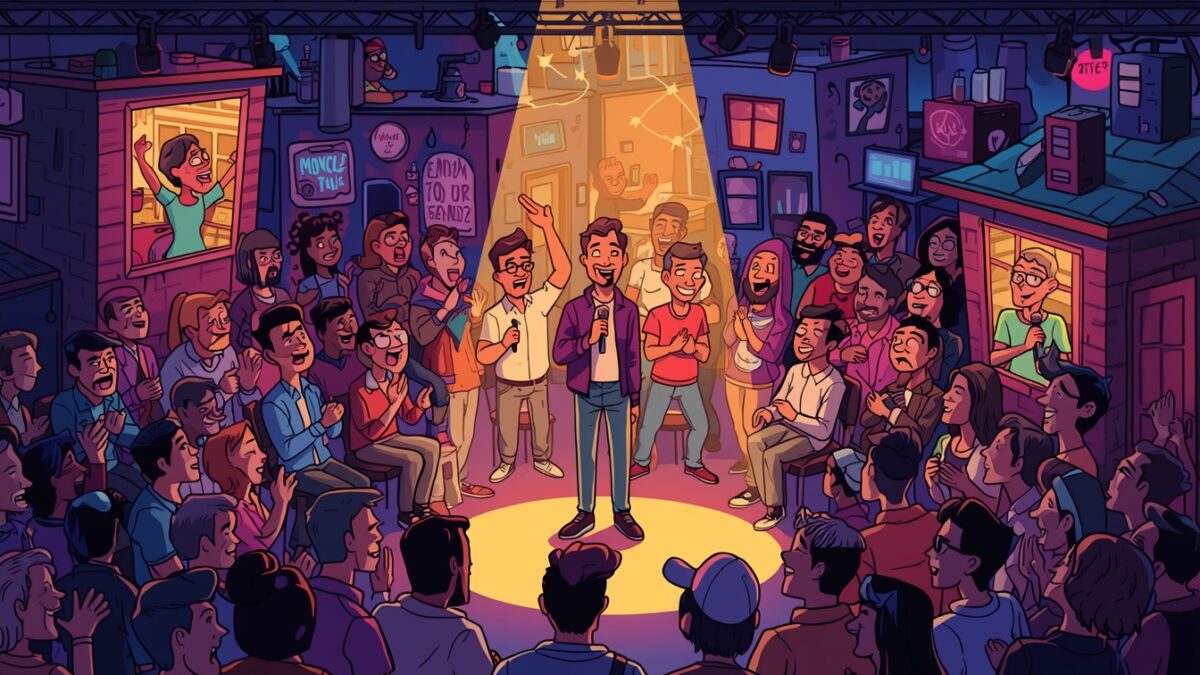
If you’ve been paying attention to stand-up comedy over the last couple of years, you’ve noticed something shifting. The traditional path, grind open mics in a major city for five years, get on a late-night show, then tour, is becoming less relevant. Instead, a new generation of comedians is bypassing the gatekeepers entirely by building fanatically loyal micro-communities.
These aren’t random followers on social media. These are people who’ve shown up to your shows multiple times, bought your merch, sent you DMs, and actually care about your comedy journey. And honestly? It’s changing how stand-up works.
What Exactly Is a Micro-Community?
A micro-community is a tight-knit group of comedy fans, usually between 100 and 5,000 people, who are deeply invested in a comedian’s work. They might be built around:
– A specific comedy club or venue that books the same comedians regularly
– A YouTube channel or TikTok where comedians post clips and build connection
– A podcast where comedians discuss comedy, current events, or their lives
– A Telegram, Discord, or WhatsApp group of local comedy enthusiasts
– A monthly show series in a smaller city that develops a cult following
The key difference is that these aren’t passive audiences. They’re communities. People know each other, joke with each other, and show up repeatedly because they feel part of something.
How This Changes the Economics of Comedy
Here’s where it gets interesting. A comedian with 50,000 random TikTok followers might make less money than a comedian with 800 truly devoted followers who buy tickets, merch, and subscribe to their Patreon.
Why? Because micro-communities drive conversion.
If you build a room of 50 people who see you perform live once a month, and they each spend £40 on a ticket plus £15 on a t-shirt, that’s £2,750 per show. Eight shows a year? That’s over £22,000 in direct revenue before you even think about touring to other cities or selling online courses.
The traditional comedy industry often needed scale to be sustainable. Micro-communities flip that idea. You need depth instead.
The Small-City Advantage
There’s been a noticeable boom in comedy clubs and independent venues opening in smaller UK cities. Places like Bath, Bristol’s smaller neighbourhoods, York, and even university towns are seeing growth. These venues aren’t trying to compete with Comedy Store or Soho Theatre. They’re serving local audiences who crave live comedy and want to see the same comedians regularly.
A comedian who becomes the comedy figurehead in a town of 100,000 people can build an incredibly sustainable career. They might play the same venue twice a month, have local media connections, and be able to drop in on other venues across the region for guest spots.
One micro-community doesn’t pay London touring money. But three or four micro-communities across different regions can create a genuine, sustainable income. And crucially, it’s yours. You’re not dependent on Netflix specials, touring agents, or getting booked by a promoter.
Why Audiences Love This Model
Audiences are tired of feeling invisible. When you’re watching a Netflix special, you’re one of millions. When you’re part of a micro-community, you’re known.
Some comedians now recognize their regulars. They reference inside jokes from previous shows. They ask what’s happening in people’s lives. This creates loyalty that casual audiences don’t have.
Additionally, micro-communities feel exclusive without being gatekept. You’re not getting past a bouncer or paying premium prices. You just have to care enough to show up, and suddenly you’re part of something.
The Practical Side: Building Your Own
If you’re running comedy nights or organizing shows, here’s the reality. You don’t need a massive audience to make this work. You need consistency.
Book the same comedians monthly. Let them build relationships with your audience. Encourage comedians to interact with attendees on social media. Create a group chat or email list. Ask what people want to see.
If you’re struggling to find and coordinate with comedians for regular shows, you’re not alone. Booking is one of the hardest parts of running a venue or comedy series. Thankfully, if you’re running a comedy night and need performers, you can actually find and contact comedians directly on Open Comedy. This kind of direct access makes building consistent lineups and micro-communities much easier.
Similarly, if you’re a comedian trying to organize your own shows or build a following in a specific area, Open Comedy’s event creation tools let you set up shows without needing a middleman.
Is Micro-Community Comedy the Future?
Probably not the only future. We’ll always have Netflix specials, sold-out theatre tours, and comedy festivals. But we’re definitely seeing a split. Some comedians are chasing the traditional trajectory, while others are building sustainable careers through deep audience loyalty.
The second path is less competitive. There’s no algorithm to beat, no specific number of followers you need, and no gatekeepers. Just consistent shows, genuine connection, and building something real.
For venues and promoters, a micro-community is far more profitable than random walk-ins. One booking a month becomes eight bookings with the same comedian. That comedian brings their friends. Those friends become regulars. Suddenly you’ve got a business model that actually works.
The comedy industry has always been about personality and connection. Micro-communities simply make that the entire focus. And maybe that’s not a strange future. Maybe it’s the most natural version of comedy there’s ever been.
