
Comedy News Filed 22 Sep 2026 · 11:24
BBC Cuts 11 That Mitchell and Webb Look Sketches on iPlayer
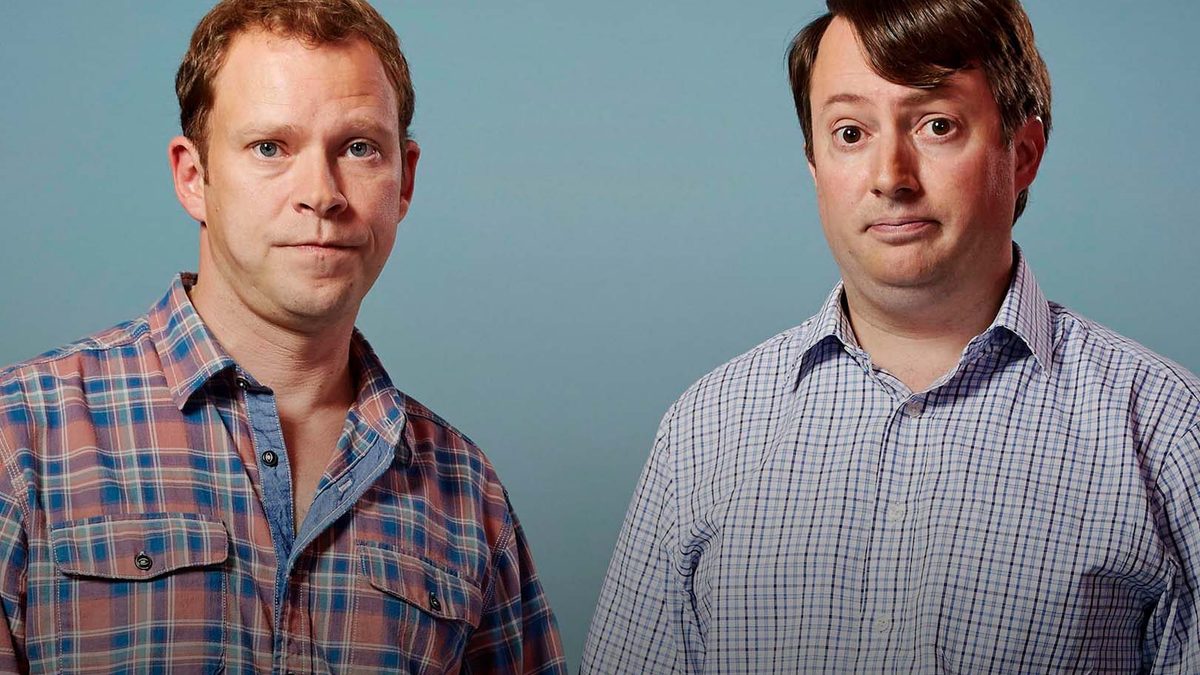
That Mitchell and Webb Look has returned to BBC iPlayer for its 20th anniversary with all four series present and 11 sketches missing. That is the useful fact before the argument starts throwing furniture. Viewers are getting an edited streaming edition of the programme David Mitchell and Robert Webb made, with parts of the complete broadcast versions absent.
The distinction matters. The confirmed change concerns what iPlayer currently carries. The available reporting doesn’t establish that the original programmes have been destroyed or erased from the BBC archive. Streaming menus are doing the work DVD chapter screens once did. They offer less honesty about what isn’t there and a worse fast-forward button.
What did the BBC cut from the show?
The BBC omitted 11 sketches from the 20th-anniversary iPlayer editions of the show. Reports identify examples involving English Civil War re-enactors appearing in blackface and a makeover-show contestant wearing a burqa before a blackface reveal. They also include an apparently indigenous community living in a garden centre and a spoof news item referring to Jimmy Savile.
That list also explains why describing all 11 omissions as blackface sketches would be wrong. The reported material ranges across racial portrayals, religious clothing and a news gag whose meaning changed horribly after the programme went out. I’m not publishing a supposed scene-by-scene inventory because the reports provide examples and no independently checked list of every cut. An archive row can survive without somebody confidently mislabelling episode six after watching a compressed clip at half one in the morning.
The programme originally ran for four series between 2006 and 2010. BAFTA’s own television record lists That Mitchell and Webb Look as the comedy winner in 2007. It names David Kerr, Gareth Edwards, Webb and Mitchell. That history gives the edits some weight beyond the usual disappearing gag on a catch-up service. This was recognised contemporary television, then returned as an anniversary item with pieces removed.
For viewers asking what happens now, the immediate answer is plain. The edited anniversary edition is available on iPlayer. Chortle reports that the episodes remain uncut on the Sky-owned Now service under U&Gold branding, preceded by a warning about period attitudes and standards. No ticket, refund or replacement date is involved here; the choice is between two differently presented editions of the same programme.
Eleven cuts and one carefully worded consultation
The BBC said the selection was made in consultation with the programme makers and that it included the sketches judged still to work today. That wording confirms consultation while leaving the important editorial mechanics unstated. Who proposed each removal, who had final approval, and whether David Mitchell or Robert Webb personally supported every decision remain unclear.
“Programme makers” can cover several people and organisations around a production. Treating it as proof that the comedians selected the 11 cuts would put more into the statement than the BBC put there itself. This is the paperwork question hiding underneath the louder row, probably beside a spreadsheet with columns called retain, omit and legal having another look.
Comedian Dom Joly argued that the intention of the racial material was clear. Speaking to The Times, in a quotation reproduced by BBC News’s syndicated report, he said:
Their intent was not to be racist.
Joly characterised the removals as BBC overreaction. Comedy producer Jimmy Mulville took a less tidy position, warning against routinely cutting archive work while also describing blackface as a problem. Those views can coexist because they answer different questions: what the writers intended, what a broadcaster will distribute now, and whether editing the programme is a proportionate response.
The last of those is a commissioning question as well as an archive one. The BBC is currently putting money into new work, including the Radio 4 comedy commissions announced this month. Writers watching the archive decision will reasonably want to know whether consultation means advice, consent or a call made after the edit was already sitting on a server.
Now puts up a warning and leaves the episodes alone
Now’s reported approach is materially different from the BBC’s. Its edition remains uncut and carries a warning before the episode; iPlayer removes the selected material. On Now the viewer sees a notice and can continue; on iPlayer the selected scenes are already gone.
A warning card can be fussy, patronising or useful depending on the wording and the audience. It does at least preserve the running order, which matters unusually strongly in a sketch show. A callback, an actors-playing-themselves sequence or a later argument about an earlier scene can lose its setup when the first piece goes. Sketch editing looks easy because there are clean joins; so does taking one wheel off a shopping trolley.
The platform split is worth watching because Now is also carrying current British sketch television. Our guide to SNL UK’s hosts, tickets and Television Centre studio follows a new show being written and broadcast under present-day standards on Sky and Now. That sits beside an uncut archive edition carrying a warning, while the BBC’s own service offers the older programme in edited form.
Writers already change material for particular rooms, clients and transmission slots. Retrospective streaming edits carry another burden because the work has an established shape and an audience capable of noticing exactly which six minutes have gone walkabout.
The unanswered bit sits in the edit suite
There is a direct BBC precedent, although it also shows why the wording here deserves care. Little Britain left iPlayer in 2020 and returned in a modified version in 2022 after changes by its creators and stars Matt Lucas and David Walliams. In that case, the public statement expressly identified who made the edits.
The statement stops at consultation with programme makers. It gives no equivalent account of whether the performers, writers, production company, BBC editors or some combination of them chose the individual omissions. Until one of those parties speaks more precisely, approval by the pair remains unreported.
There is also a mundane production question here. Were complete episodes reviewed against a written policy, or did somebody begin with material already flagged in previous platform debates? Were linked sketches considered together? Anyone who has watched a running order collapse after a support act overruns knows that removing six minutes is easy; deciding what the next beat now means is the job.
The BBC could settle much of this by publishing the editorial basis for the cuts and saying who held final approval. That wouldn’t end the argument over blackface, warnings or archive integrity, because nothing involving old television and a comment box ends cleanly. It would at least tell comedy writers whether “consultation” meant a genuine seat in the edit or a courteous phone call after export.
Sources
- BBC News: BBC removes 11 Mitchell and Webb comedy sketches from iPlayer
- The Independent: BBC cuts sketches over material that no longer works today
- Chortle: BBC pulls sketches from That Mitchell and Webb Look
- Radio Times: BBC cuts sketches from iPlayer
- BAFTA: Television comedy winners
An edit list with a name beside each decision would answer the remaining question. Until that turns up, the release is left with the deliberately roomy label “programme makers” and no name beside the export button.
