
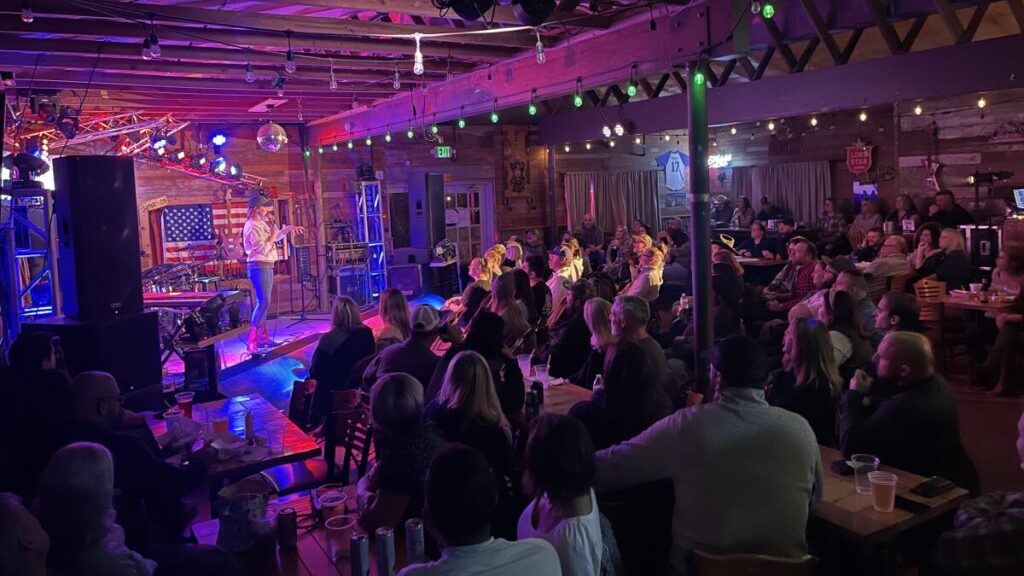
Most comedians have the same five-year plan. Move to New York, Los Angeles, or London. Build a following. Get spotted. Make it. It’s the dream that’s been sold since comedy became a profession, and it’s slowly killing the industry.
Here’s the uncomfortable truth. The established comedy hubs are oversaturated. New York has thousands of working comedians competing for a finite number of stage spots and paying gigs. London’s circuit is notoriously gatekeeping. Los Angeles is spread too thin across podcasts, streaming, and live venues for most comedians to actually make sustainable money. Yet every year, hundreds of comedians relocate to these cities anyway, undercutting each other’s rates and burning out when the promise doesn’t materialize.
Meanwhile, something genuinely interesting is happening in the secondary cities.
The Shift Nobody’s Talking About
You won’t see think pieces about it in industry publications. But venues and promoters in cities like Melbourne, Dublin, Manchester, Toronto, and Austin are experiencing something the majors haven’t seen in years. Growing demand. Better pay. Actually sustainable comedy careers.
This isn’t nostalgia for how things used to be. It’s a legitimate shift in how comedy works.
Cities outside the traditional big three have several genuine advantages. First, there’s less competition. In Melbourne, the comedy scene is thriving, but there are maybe hundreds of active comedians, not thousands. That means more stage time. More features. More actual paid gigs. A comedian starting out in Melbourne has a realistic path to earning money within a year or two, not five.
Second, venues in secondary cities are desperate for quality content. They’re not picky about booking comedians who don’t have five-thousand Instagram followers. They care about whether you’re funny. Whether you’ll draw an audience. Whether you’ll make the room better. In New York, a promoter gets fifty unsolicited booking requests per week. In Dublin, they might get five.
Third, the economics actually work. Smaller venues can afford to pay feature acts more because their costs are lower. A 100-seat room in Dublin isn’t paying premium rent. The promoter makes decent money from 80 tickets at eight euros a head, and they can afford to pay the feature performer fifty euros plus a cut of the bar. In New York, that same room needs 90 percent capacity just to break even.
Where the Real Opportunities Are
Secondary-tier cities aren’t just surviving right now. Several are experiencing genuine growth in comedy infrastructure.
Melbourne’s comedy scene has developed a strong festival culture, with the Melbourne Comedy Festival being one of the largest comedy festivals in the world, attracting comedians globally. The city has multiple dedicated comedy venues and a thriving [open mic scene](https://opencomedy.com/events/create) that feeds working comedians into feature slots. British comedians increasingly use UK cities like Manchester, Bristol, and Edinburgh as launch pads. Dublin’s comedy scene has exploded over the past decade, with venues like Vicar Street, The Olympia Theatre, and numerous smaller clubs now regularly hosting comedy. These cities have built actual ecosystems, not just venue listings.
Toronto, Austin, and other North American secondary cities are similarly investing in comedy infrastructure. What distinguishes them from the major hubs is that the supply of comedians hasn’t yet caught up with demand. This creates a genuine opportunity window.
How This Actually Works for Your Career
The practical advantage is straightforward. If you’re a feature-level comedian, you can build a sustainable income in a secondary city much faster than in the majors. Here’s a realistic trajectory.
You book two or three gigs per week through local venues and promoters. At fifty to one-hundred dollars per feature, you’re already earning two-hundred to three-hundred dollars weekly from comedy. Add weekend features and occasional two-show nights, and you’re looking at a thousand to fifteen-hundred per month from local gigs alone. That’s not retirement money, but it’s enough to justify staying and developing in that scene.
After six to twelve months of consistent work, you build relationships with promoters, get added to group chats, and start getting promoted between venues. Your rate goes up. You start getting asking prices rather than pitching. You get better rooms. Increasingly, you get booked without auditioning.
Meanwhile, you’re developing material in a room that actually gives you feedback. You’re not bombing in front of nothing at a two-AM open mic. You’re doing twenty or thirty-minute sets in front of real audiences. Your comedy actually improves.
Within two to three years in a secondary city, you can be a well-known local comic making decent money, performing regularly, and having genuine options.
Compare that to New York. Most comedians spend three to five years doing open mics, losing money on rent, and auditioning for feature spots. If they’re good, they might start getting regular bookings in year three or four. If they’re not, they move back home with nothing but debt.
The Network Effect Is Different
In established cities, the network is closed. The people who get the best gigs already know each other. They’ve been in the scene for years. New arrivals are background noise.
In secondary cities, the community is actively building. When you show up as a competent, professional comedian, you’re not competing with someone who knew the circuit before you were born. You’re actually meeting promoters who are expanding their operation. You’re helping build something.
This changes the relationships you form. Promoters in secondary cities genuinely want you to succeed because your success helps their business grow. In New York, your success might threaten someone else’s market share. In Melbourne, your development directly helps the promoter book better shows.
The International Angle
Here’s something most US and UK comedians miss. Secondary cities in other countries are equally hungry for content. An American or British comedian with any track record at all is exotic in places like Barcelona, Copenhagen, or Auckland. You’re not competing with local talent on their turf. You’re offering something genuinely new.
Several comedians have built thriving careers by rotating between three or four secondary cities, never staying anywhere long enough to oversaturate the market but establishing strong enough local followings to ensure full rooms and repeat bookings. A comedian who does this might spend two months in Melbourne, two months in Dublin, two months in Toronto, and then back again. They’re never in the grinding oversaturation of the major hubs, but they’re always working solid rooms.
The Real Question
None of this is to say the major cities are dying. New York, London, and Los Angeles still matter enormously for comedy. If you want to do a Netflix special, you probably need to build a name in a major hub at some point. If you want to work with established agents or do premium tours, the infrastructure in the big three is still unmatched.
But the question more comedians should be asking is not “How do I move to New York?” It’s “Where can I actually build a career right now?”
For many comedians, the answer is in a secondary city. The money is better. The path is clearer. The community is building something real instead of hoarding scraps. You might not get famous. But you might actually get paid.
And for most comedians, that’s a better outcome than starving in the city that promised everything. If you’re ready to explore [comedy booking opportunities beyond the major hubs](https://opencomedy.com/comedians), there’s no time like now.
FAQ
**Q: Isn’t it harder to get famous from a secondary city?**
A: Yes and no. You might build a smaller initial following, but you’ll be known as the best comedian in your city, which is valuable. Many comedians then use that reputation to access bigger markets. Also, “famous” is increasingly less important. Many working comedians make excellent money with moderate social media followings because they’re booked constantly and have strong local fanbases.
**Q: What if I move to a secondary city and hate it?**
A: That’s fair. But you can test it. Do a month. Book a bunch of gigs. See if the venue owners, other comedians, and audience feel right. If not, you’ve only lost a month. If the scene feels right, you’ve just found where your career actually takes off.
**Q: How do I find comedy venues in secondary cities?**
A: Start by checking Open Comedy’s listings for your region to see what’s currently booked and who’s running rooms. Join local comedy Facebook groups and WhatsApp chats. Follow venue social media. Email promoters directly with a video of your material. Many secondary city promoters are actively looking for new talent and will respond to professional outreach.
**Q: Should I skip New York entirely?**
A: No. But you don’t have to move there immediately. Build your craft in a secondary city first. Book consistently. Develop material. Then use that reputation and cash flow to spend a month in New York networking, which is far more productive than trying to build your career there from scratch while broke.
**Q: Is the secondary city option available outside North America and the UK?**
A: Absolutely. Comedy scenes are growing globally. If you’re willing to be flexible about location, cities like Melbourne, Bangkok, Barcelona, Amsterdam, and others offer genuine opportunities with lower competition than the traditional hubs.
Are you a comedian looking for gigs?
Join Open Comedy — the free platform connecting comedians with bookers and venues worldwide. Find open mic nights, paid spots, and festival opportunities.