
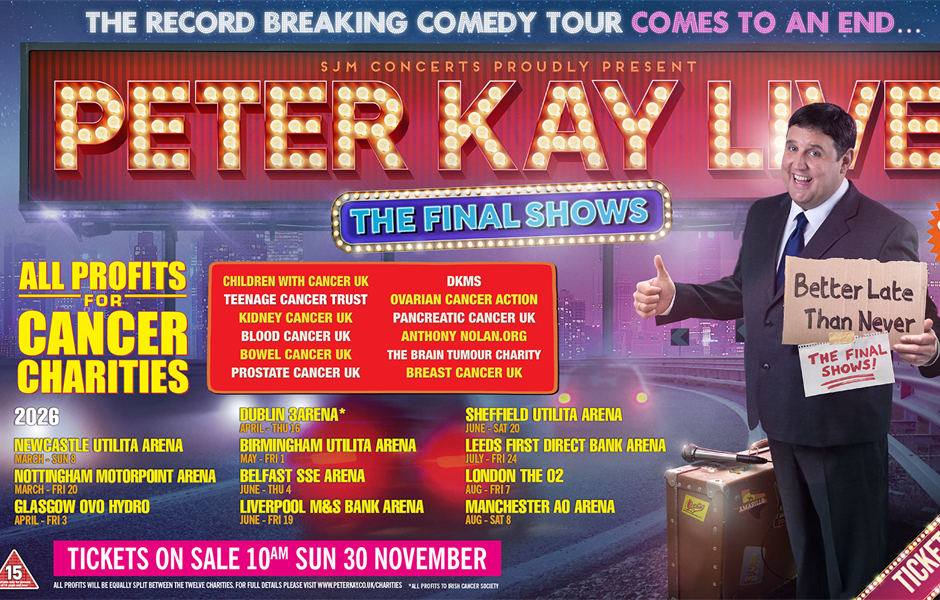
Peter Kay’s Dublin comeback – two sold-out shows at the 3Arena on April 17-18, 2026 – is a blueprint. Not a feel-good story about a guy coming back to comedy. A literal, here’s-how-it-actually-works blueprint for what it takes to get big acts to commit to a tour in 2026.
If you run a venue, book comedians, or are trying to build a tour, April is worth reverse-engineering.
The Setup: Why This Matters
Peter Kay hasn’t toured in a decade. He’s a comedy institution – the kind of name that moves tickets just because it’s his name. When he announced Dublin dates, it wasn’t random. It was strategic, and it signals a change in how the whole industry works.
The real lesson for venue owners: don’t wait for comedians to notice you. Build something they want to be part of.
What Makes a Comeback Tour Actually Happen
Here’s the business part nobody talks about:
Money upfront. Big acts don’t risk time or reputation on uncertain venues. The guarantee has to be real. The 3Arena holds 13,000 people. Dublin isn’t betting small here – they’re committing serious cash because they know it’ll sell. Smaller venues can’t do that. That’s why they don’t get the big names.
Location is everything. Dublin isn’t his only stop on the tour. He’s hitting cities with proven audiences that already buy comedy tickets. Secondary markets get nothing, no matter what they offer. You can’t book your way around bad geography.
Timing is half the game. April matters. Post-Easter, before summer hits, people want nights out. And it’s when comedy specials drop – Nikki Glaser’s “Good Girl” lands on Hulu April 24, Ramy Youssef’s “In Love” hits HBO April 17. Comedy is the thing people are thinking about. Peter’s tour rides that momentum.
The Venue Playbook: What Actually Works
Want to book better acts? Here’s what the Peter Kay model actually says:
1. Build an audience first. The 3Arena didn’t magic up the ability to book Peter Kay. Dublin’s been running solid comedy for years. Comics see a venue with people who show up and actually laugh – that’s what gets their attention. You earn credibility, then the credible acts come.
2. Pay what the market pays. If your guarantee doesn’t match what other cities offer, top acts won’t look at you. Be honest about your limits. Focus on rising comics, emerging talent, and international names building their market. That’s where you can actually win.
3. Actually promote the show. Not “we booked a name, they should sell out.” That’s not how it works. Dublin sold out because they promoted – social media, local press, early ticket campaigns, partnerships. Marketing is the job. A-list names don’t fill rooms by themselves anymore.
What This Means for Comedians
Building a tour? Study Peter’s strategy:
Stop chasing every city. Pick places with real audiences. Do multiple shows in those places. Two shows in Dublin is stronger than one-off shows in ten cities. Venues notice who pulls crowds. That sticks with them. Next time you tour, they compete to book you.
Think strategically about timing. April isn’t random – it fits into the comedy calendar. Spring specials dropping. Post-Easter. Good touring season. Venue owners respect comedians who understand this. It makes their job easier because you’re not asking them to sell comedy when nobody’s paying attention.
Your numbers matter. Peter Kay announces and people come. You’re not there yet. But whatever you have – podcast numbers, TikTok followers, previous tour sales – that’s your leverage. That’s what separates “comic we like” from “comic we’ll guarantee money to.” Build it. Show it. Use it.
The Bigger Shift: Why April 2026 is a Turning Point
This is bigger than Peter Kay. April is the month where you can see how the whole comedy market is moving.
Streaming platforms releasing specials left and right (Glaser, Youssef, others). International acts touring new markets (Ania Magliano in Dublin). Festivals proving accessibility works (Mayhoots, April 24-25). The comedy calendar is packed. That creates winners and losers – venues and comedians who understand the landscape versus ones who don’t.
If you’re in comedy right now – as a venue, a booker, or a performer – you’re either getting smarter about strategy or you’re going to get left behind.
The Practical Takeaway for Your Venue
Can’t book A-listers? Here’s the actual path forward:
1. Build your crowd. Host good local comics consistently – 2-3 shows a month, quality talent. People come because they trust your taste. That’s credibility.
2. Marketing is not optional. The difference between packed and half-empty is what you promote. Use every channel – social, email, local press. Make your show impossible to miss in your community.
3. Be real about money. Can’t pay major guarantees? Don’t try. Instead, give emerging comedians good split deals, solid payment terms, and a venue where they know they’ll kill. Build relationships now. When they’re huge, you’re their favorite place to play.
4. Map the calendar strategically. When are people actually going out? When do other entertainers tour through? When do comedy specials drop? Book into those moments, not randomly.
If you need to think this through – strategy, positioning, understanding your local market – that’s what Open Comedy exists for. We help venues and comedians make smarter decisions about how to work together.
FAQ
Q: Why can’t I book big acts at my smaller venue?
A: It’s math. Big acts need guarantees your venue can’t afford, or ticket volume you don’t have. That’s not weakness – that’s reality. Instead, dominate at your level. Book rising talent. Be the place that smart comedians remember. When they tour later, you’re on their list.
Q: What’s the difference between booking a name and actually selling out?
A: Everything is marketing. A booked act in a half-empty room hurts everyone – the comic, you, the next promoter who tries to book them there. Sold-out shows happen because the venue actually promotes. Social media, email, press partnerships. You do the work.
Q: How far ahead do I need to book?
A: Big names – 6-12 months. Mid-tier – 3-6 months. Local and emerging – 4-8 weeks is fine. Bigger the name, earlier you book and the bigger the advance you need ready.
Q: Is April good for touring?
A: Yeah. Post-Easter, before summer takes everyone away. Spring comedy specials keep the art form relevant. It’s solid touring season.
Q: How do I know if a comedian is worth the risk?
A: Check actual numbers – social following, previous tour draws, podcast audience. Ask other venues that booked them. Treat it like hiring. Also: do they have a real set? Is their comedy something your crowd actually wants? Those matter more than follower count.
Are you a comedian looking for gigs?
Join Open Comedy — the free platform connecting comedians with bookers and venues worldwide. Find open mic nights, paid spots, and festival opportunities.