
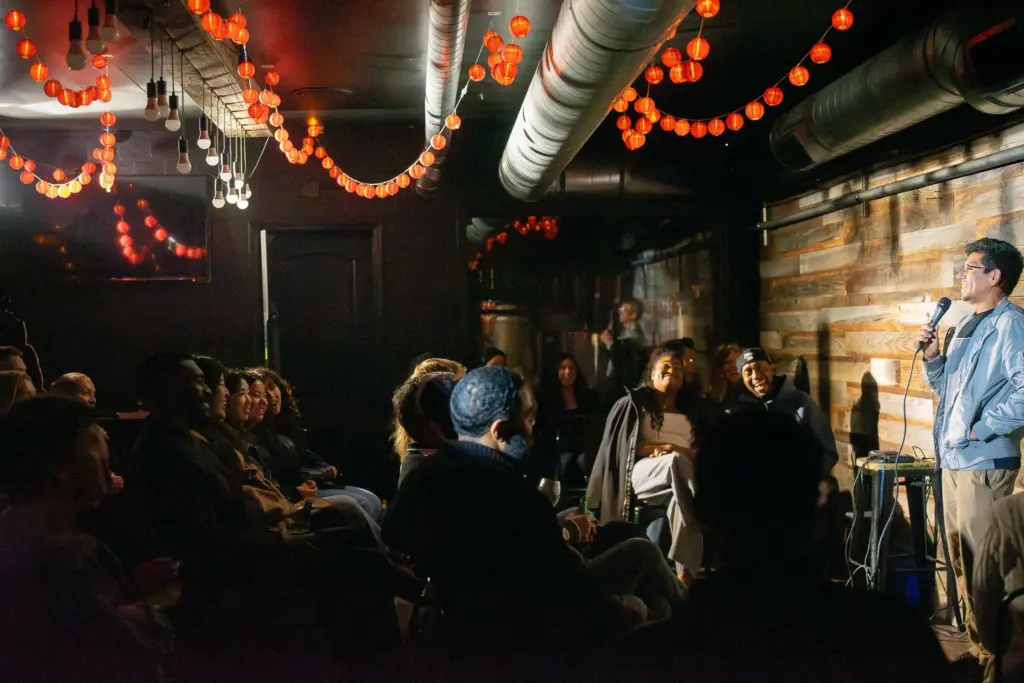
If you’re thinking about opening a comedy club or you already run one, you’re operating in an industry that’s fundamentally changed. The business model that worked in 2015 doesn’t work in 2026. Venues that adapted are thriving. Venues that didn’t adapt are closing.
The economics have shifted. Audience expectations have shifted. The way comedians get booked has shifted. And if you don’t understand these changes, you’re going to struggle.
Let’s talk about what’s actually happening in comedy club economics right now.
The Reality: Traditional Comedy Clubs Are Struggling
Let’s start with the hard truth. Traditional stand-alone comedy clubs are under pressure. The Comedy Store, Soho Theatre, and other established venues are doing fine because they have reputation and history. But mid-sized independent comedy clubs? Many are closing or barely breaking even.
The problem isn’t lack of audience demand. People still want to see comedy. The problem is the business model itself.
A traditional comedy club model typically works like this: venue rental (expensive), full staff (bartenders, servers, door staff, sound tech), talent costs (paying comedians), electricity, insurance, and usually a minimum drink order requirement for audiences. You need to pack the room and sell drinks to make the math work.
In 2026, that’s harder. People go out less. When they do go out, they’re price-sensitive. Drink minimums feel aggressive. Audiences now have options—comedy podcasts, YouTube clips, TikTok, Netflix specials—that didn’t exist in the same form ten years ago.
And here’s the thing: if you build a business model that depends on packed rooms every night, you’re building on sand.
What’s Actually Working
So what venues are thriving? The ones that adapted.
Flexible venue formats. The most successful comedy spaces aren’t dedicated comedy clubs. They’re bars, breweries, theaters, and event spaces that host comedy as part of a broader programming mix. A brewery that does comedy one night a week doesn’t need to hit 100% capacity to be profitable. They make money on beer and food regardless. Comedy is an add-on that drives traffic and builds brand loyalty.
Lower overhead. Instead of paying expensive lease on a dedicated comedy club space, flexible venues negotiate for one or two nights a week. Instead of full-time staff, they use part-time or freelance talent. Sound and lighting are already installed for theater spaces. The overhead is dramatically lower.
Direct audience relationships. Successful venues in 2026 are building direct relationships with audiences through email lists, social media, and regular programming. They know who their regulars are. They send newsletters. They create a community. That community shows up consistently, which means predictable revenue.
Higher ticket prices, lower drink minimums. Some venues realized that audiences prefer paying a higher ticket price with no forced drink minimum to paying lower tickets with mandatory spending. Audiences like this because it’s transparent. Venues like this because the accounting is clearer and they don’t lose money on customers who nurse one drink all night.
Multiple revenue streams. Successful venues don’t rely only on ticket sales and drink revenue. They do private bookings, corporate events, streaming deals, podcast recording, educational workshops. Comedy becomes the anchor that brings people in, and then they monetize those people in multiple ways.
The Booking Problem
Here’s something that’s changed dramatically: how comedians get booked.
Ten years ago, a comedy club booker had significant power. Comedians wanted to be on their lineup. The booker could be selective, could pay whatever they wanted, could control who worked the circuit.
In 2026, that’s inverted in many markets. Comedians have options. They can run their own shows. They can sell tickets directly. They can build audiences online. A venue now has to offer something valuable to attract comedians, or they won’t get quality acts.
This means:
- Paying comedians fairly (not $40 for a 30-minute set)
- Promoting shows (not expecting comedians to bring their own audience)
- Offering consistent bookings (not one-off gigs)
- Professional treatment (sound, lighting, green room basics)
Venues that cheap out on talent costs are finding it harder to book comedians. The good acts aren’t desperate anymore.
Technology and Streaming
One unexpected trend: comedy venues that embraced streaming and podcasting are seeing higher attendance, not lower.
You’d think streaming comedy would cannibalize live attendance. It doesn’t. What actually happens: streams introduce people to comedians they’ve never heard of. People watch the stream, get interested, then buy tickets to see the live show.
Venues that record their shows and publish them to YouTube are building audiences across geographic regions. Someone in Bristol watches a clip of a Manchester comedian and books a trip to see them live.
Venues that host podcasts are creating recurring audiences. A podcast records at the same venue once a month. That podcast has listeners who come to the recordings. Some of those people stay for the comedy show afterward.
The venues treating streaming as a business problem are struggling. The venues treating it as a marketing tool are thriving.
The Talent Question
Here’s a real challenge: booking consistently good comedians is harder than it used to be.
In 2015, if you ran a comedy venue, there were maybe 500 “bookable” comedians in the UK. You knew them all (at least by reputation). You had relationships with promoters and agents.
In 2026, there are thousands of comedians. Some incredible, some terrible, many developing. Finding the right acts for your audience takes work. If you’re still just calling a handful of agents and hoping they have something available, you’re going to book weaker lineups.
Venues that adapted are using booking platforms to find acts based on location, style, and availability. They’re reaching out directly to emerging comedians. They’re building relationships with new talent instead of waiting for established acts to trickle down.
The logistics are easier now, but it requires a different approach.
The Money Question: What Actually Generates Revenue
Here’s what successful venues know about their numbers:
Ticket sales might account for 40-50% of revenue. Drinks are the other 40-50%. Everything else (food, private bookings, merchandise commission) is gravy.
But the mix has shifted. Venues that relied heavily on bar revenue are struggling because audiences drink less. Venues that shifted to higher ticket prices can be more profitable with less drink sales.
A typical profitable night for a flexible venue comedy show:
- 80 seats sold at £15 per ticket = £1,200
- Average 2 drinks per person at £5 per drink = £800
- Total revenue: £2,000
Costs:
- Comedian fees: £300-500 (depending on tier)
- Sound/tech operator: £100-150
- Marketing/promotion: £100
- Overhead (rent allocated, insurance, utilities): £300-400
- Total costs: £800-1,150
That’s a £850-1,200 profit per show, assuming full capacity. But you don’t always get full capacity.
A show at 60% capacity (48 seats) makes:
- Ticket sales: £720
- Drink sales: £480
- Total: £1,200
- Minus costs: £800-1,150
- Profit/loss: £0-400
The math only works if you can consistently hit 60%+ capacity. That requires promotion, community, and good programming.
What Venues Should Actually Focus On
If you’re running a comedy venue in 2026, here’s what matters:
Build community. Know your regulars. Make them feel special. Create a reason for them to come back. Email lists, social media, loyalty programs—all of it matters.
Curate programming. Don’t just book whoever’s available. Think about who your audience wants to see. Mix established acts with emerging talent. Create shows people want to tell their friends about.
Invest in promotion. Spending money on marketing a comedy show typically pays for itself in tickets sold. Venues that don’t promote shows are leaving money on the table.
Pay comedians fairly. Good comedians create good shows. Good shows build audiences. Paying £200 for a good headliner instead of £50 for whoever’s cheap is an investment in your venue’s reputation.
Offer something unique. If you’re just doing generic stand-up comedy in a room, you’re competing with every other comedy venue. If you’re running themed nights, mixing comedy with other art forms, building a specific community, you’re differentiated.
Use booking platforms effectively. If you’re trying to book comedians through old networks and agents, you’re making it harder than it needs to be. Platforms like Open Comedy let you browse comedians by location and book talent for specific dates and styles. You can also find comedians interested in running their own shows at your venue.
The Future
Comedy venues aren’t going away. But the venues thriving in 2026 aren’t the ones doing exactly what they did in 2015.
They’re the ones that adapted. That embraced multiple revenue streams. That built community. That treated comedians as partners instead of interchangeable talent. That used technology to their advantage instead of fighting it.
The venues struggling are the ones holding onto the old playbook, waiting for the industry to go back to normal.
It’s not going back.
Are you a comedian looking for gigs?
Join Open Comedy — the free platform connecting comedians with bookers and venues worldwide. Find open mic nights, paid spots, and festival opportunities.