
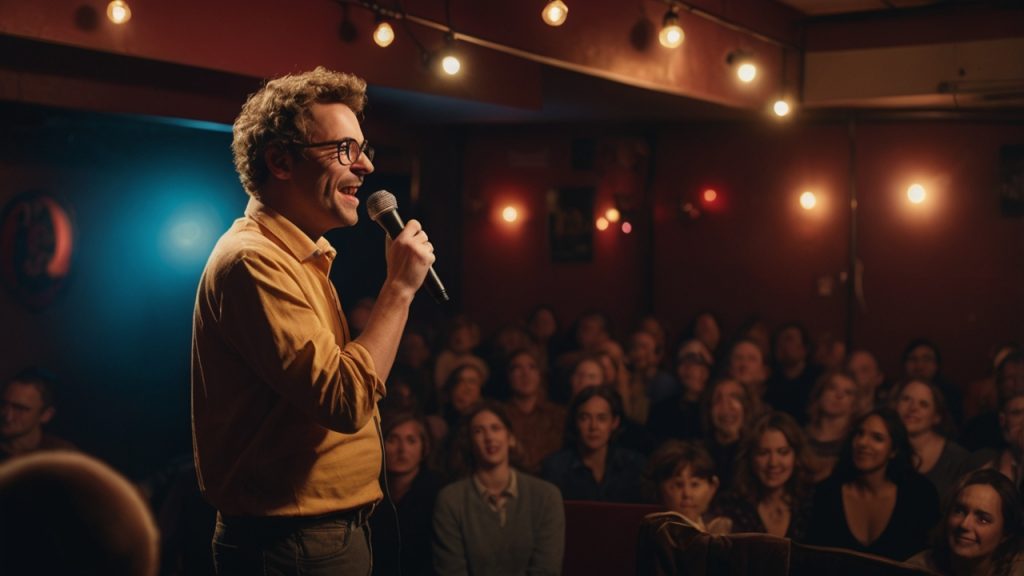
For a long time, the goal in stand-up comedy was simple: get noticed by a big platform.
TV appearances, network specials, and streaming deals were seen as the main way to “make it.” But over the past few years, something has changed.
More comedians are building strong careers without waiting for approval from traditional platforms. They are filming their own specials, publishing online, and growing audiences directly.
This shift is not just a trend. It is changing how comedy careers are built.
The old model vs the new one
Traditional path
- Open mics
- Industry discovery
- TV or streaming deal
- Special release
- Touring growth
Independent path
- Open mics and local gigs
- Posting clips online
- Building an audience directly
- Self-produced special
- Touring based on real fan demand
The difference is simple: control.
Instead of waiting to be chosen, comedians can publish immediately and see what connects.
Why independence is growing
1. Direct access to audiences
Platforms like YouTube changed the game.
Comedians can now:
- release whenever they want
- reach global viewers instantly
- build long-term visibility
A platform special might disappear into a large catalogue. A self-released special can keep growing for years.
2. Ownership matters
When comedians produce their own work, they usually keep:
- the rights
- the revenue
- the audience relationship
- creative control
That turns a special into a long-term asset rather than a one-off opportunity.
This is one reason many established comedians now choose independent releases even after working with major platforms earlier in their careers.
3. Faster momentum
Traditional production schedules can take years.
Independent comedians can:
- release more frequently
- test material faster
- adapt quickly to audience feedback
Instead of waiting for a big moment, they build momentum through consistency.
The role of social media clips
Short clips are now one of the main discovery tools in comedy.
Fans often see:
- crowd work highlights
- short punchline edits
- backstage moments
before they ever watch a full special.
This flips the old model upside down.
It used to be:
Special → Audience
Now it’s often:
Audience → Special
By the time someone releases a full show, they already have fans waiting.
The new comedy career ladder
This is the pattern many comics are following:
- Build stage time locally
- Post short clips regularly
- Grow a niche audience
- Release a self-produced special
- Expand touring using that audience
- Take platform deals only if they add value
Notice something important: platform deals are becoming optional, not mandatory.
What this means for bookers and venues
For bookers, discovery is changing too.
Instead of relying only on TV credits, more promoters now look at:
- audience engagement
- consistency online
- clip quality
- real fan interest
A comedian with strong audience connection often sells tickets faster than someone with a traditional credit but low visibility.
That is why live gigs still matter so much. Online growth may start the journey, but stage time builds real careers.
Watch: a modern independent comedy release
Independent specials often feel more personal because the comedian controls the tone, pacing, and editing style instead of fitting a network formula.
The challenges (and why not everyone succeeds)
Going independent does not automatically mean success.
Common challenges:
- paying for production
- marketing your release
- standing out in crowded feeds
The comedians who succeed usually treat their career like a long-term project, not a single big launch.
Consistency beats hype.
The bigger picture
Comedy is moving from a gatekeeper system to a creator system.
Traditional platforms still matter. They can add reach and prestige.
But increasingly, they are amplifiers rather than entry points.
The real shift is this:
Comedians no longer need permission to start building a career.
Final thoughts
The next major breakout comic might not come from a network special.
They might come from:
- a small venue
- a camera
- and an audience built one clip at a time
And honestly, that makes the comedy world more open than it has ever been.
Related
If you want more stage time and real opportunities, explore live shows and listings here
Are you a comedian looking for gigs?
Join Open Comedy — the free platform connecting comedians with bookers and venues worldwide. Find open mic nights, paid spots, and festival opportunities.