
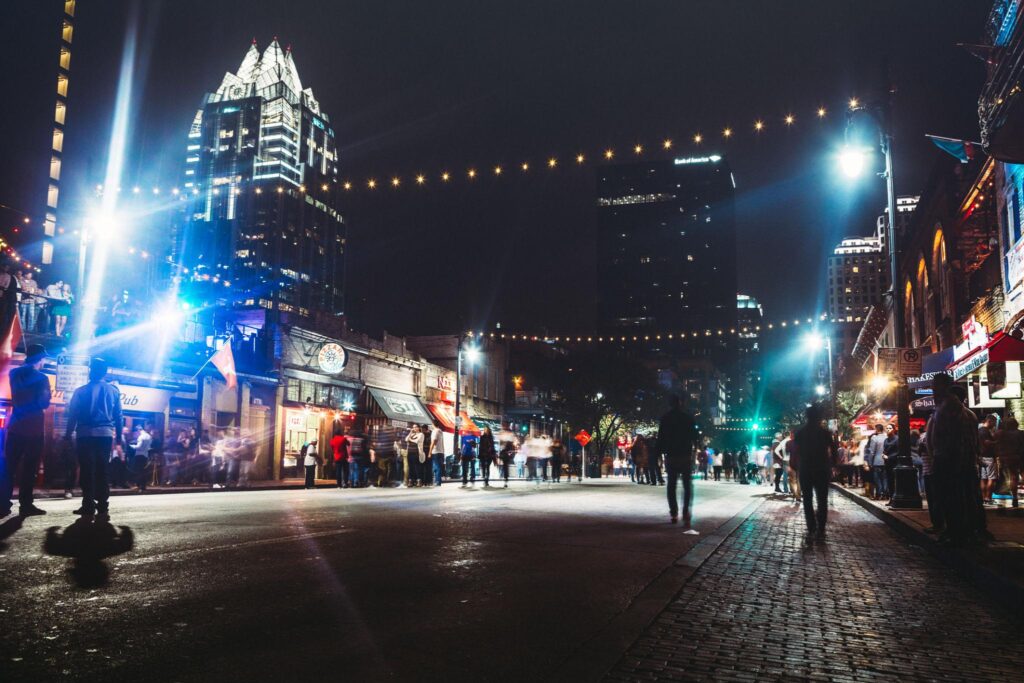
Austin has a reputation. World capital of live music, home to SXSW, a place where creativity is almost a requirement. But what most people don’t realize is that Austin’s stand-up comedy scene rivals its music scene for opportunity and creativity. And unlike music, you don’t need a record deal or a massive following to start working.
Here’s the truth about breaking into Austin comedy: it’s not as hard as you think, but it’s also not as quick. The city has evolved dramatically over the past five years. What worked for comedians in 2020 doesn’t work now. The venues have changed, the audience expectations have shifted, and the path forward is different.
Let me walk you through how it actually works.
The Austin Comedy Infrastructure
Austin has roughly 30-40 active comedy venues. That’s not a huge number, but for a city of about a million people, it’s a strong ecosystem. You’ve got dedicated comedy clubs, bars that host comedy regularly, theater spaces, brewery patios, and random coffee shops doing open mics.
The main comedy club is The Fallout Comedy Club in North Austin. It’s the closest thing to an “established circuit club” that Austin has. It books established acts, hosts showcases, and books locally-based comedians for regular hosting gigs. This is where serious comedians want to work.
But here’s the thing: you don’t need The Fallout to build a career in Austin. The secondary venues matter more. Places like Cheer Up Sheila (a dive bar), The Sidewinder (a brewery bar), and various theater spaces all run regular comedy shows. Many of these shows are run by comedians themselves, which means there’s no gatekeeper—just someone running a show and needing performers.
This is Austin’s secret advantage: there’s always another show happening. If one venue doesn’t book you, another one will.
The Open Mic Culture
Austin’s open mic scene is different from other cities. It’s bigger and more organized. You’ve got open mics happening almost every night of the week, and they’re well-attended. People actually come to watch open mics in Austin. That’s not true everywhere.
The popular open mics:
The Blacklisted Barista runs Monday through Thursday. It’s casual, it’s been around forever, and it’s where most new comedians start. Usually 20-30 people, mostly other comedians, but actual audience members too.
Moth Mondays at The Hole in the Wall has a different vibe—it’s more storytelling-focused, but comedians perform there regularly.
The Cactus Cafe has a weekly open mic that’s more mixed, with actual audience members mixed in with performers.
Here’s the Austin magic: do those open mics for 3-4 months, get tight material, and bookers start noticing. The Austin community is small enough that if you’re showing up consistently, they know about you.
Breaking In: The Real Roadmap
If you move to Austin and want to build comedy work, here’s the actual progression:
Month 1-2: Do open mics 2-3 times per week. Get your material solid. 10-15 minutes of jokes that work. Don’t worry about originality at this stage—work on fundamentals. Tight structure, good punchlines, clear delivery. Talk to other comedians. Introduce yourself.
Month 3-4: You’re now a regular at some open mics. Bookers know your face. Start getting invited to showcase spots at real venues (still unpaid, but in front of actual audiences). Connect with comedians running their own shows. Offer to go on their lineups.
Month 5-6: You’ve been asked to host a few shows. You’ve got maybe 5-6 recurring spots at different venues. You’re making zero money but you’re building momentum. Record clips of your sets.
Month 6-9: You’re getting paid work. Not much (£40-80 per gig), but the money’s real. You’re getting booked at bars and brewery venues. Your open mic material is polished, you’re developing new material, you have clips that show you can engage an audience.
Month 9+: You’re part of the Austin comedy community. You get consistent work, you know bookers, you know which audiences like what. You can pitch yourself to get better gigs, possibly at The Fallout or other venues that have tighter standards.
This assumes you’re moving to Austin and doing this full-time. If you’re doing it part-time, extend the timeline by 50%.
The Austin Comedy Culture
Here’s what makes Austin different: it’s not competitive in a toxic way. Comedians help each other. Seriously. Veteran comics will give feedback to newer comedians. People share spots. People introduce bookers to comedians they think are funny.
This is partly because of Austin’s overall culture (everyone’s supposed to be weird and creative together), but it’s also practical: there are enough spots that competition isn’t cutthroat. A veteran comic helping a new comic doesn’t lose money—they’re just expanding the scene.
But don’t mistake this for easy. The Austin audience is smart. They go to comedy shows specifically to see comedy, not as a side activity. If you’re not bringing material that works, they’ll let you know. The vibe is supportive but critical.
The Real Challenges
Austin’s comedy scene is growing, but it’s not without challenges.
Cost of living is rising. Ten years ago, Austin was cheap. Now it’s getting pricey. Rents are up. Venue rental costs (if you’re thinking about hosting your own show) are up. This is squeezing out some comedians who can’t sustain income while building work.
The transient population is high. People move to Austin all the time. Some stay, most don’t. The comedy scene is constantly turning over. This means opportunity (there’s always room for new people), but also means the scene can feel unstable.
Venue consolidation is happening. Some independent bars are being bought by larger restaurant groups that change the vibe or drop comedy. The number of venues isn’t shrinking yet, but the character is shifting.
How To Actually Move Forward
If you’re serious about Austin comedy:
Get to Austin first. You can’t build this remotely. You have to show up at open mics, meet people, build relationships. It doesn’t work any other way.
Commit to at least 6-9 months of unpaid work. Don’t expect quick money. You’re building a foundation.
Use available resources. You can search for comedy gigs in Austin and nearby areas to see what’s actually available and who’s booking. You can also explore Austin-based comedians to see who’s in the scene and what they’re doing.
Record everything. Video of you performing is how bookers see you without being in the room.
Be specific about your comedy style. Are you observational? Stories? Dark? Know it, own it. Austin’s diverse enough that there’s room for different approaches, but you need a clear point of view.
Build relationships with other comedians intentionally. Invite people to coffee. Go to shows. Ask questions. The Austin comedy community is accessible if you actually engage.
FAQs
How many open mics are there in Austin per week?
Austin typically has 7-12 open mics per week across different venues. Most are on weekday evenings, some on weekends. The number fluctuates slightly seasonally and based on venue changes.
How much do comedians get paid for gigs in Austin?
Open mics are unpaid. Showcase/feature spots at bars and venues start at £30-60. Headlining smaller rooms pays £60-150. Established acts with followings can earn £150+. Regular hosting gigs at bars are usually £40-80 per week.
What’s the best open mic to start at in Austin?
The Blacklisted Barista is the most accessible for new comedians. It has a welcoming vibe and high frequency (Monday-Thursday). Once you’re more established, other open mics and showcases become available.
How long does it take to get paid work in Austin?
Typically 4-6 months of consistent open mics (2+ times per week) before you’re getting paid gigs. Some comedians move faster, some slower. Consistency matters more than talent.
Do I need to live in Austin to work the circuit?
Yes, practically speaking. The scene is built on relationships and regular shows. Touring through is possible, but building a sustainable career requires being present.
Are you a comedian looking for gigs?
Join Open Comedy — the free platform connecting comedians with bookers and venues worldwide. Find open mic nights, paid spots, and festival opportunities.