
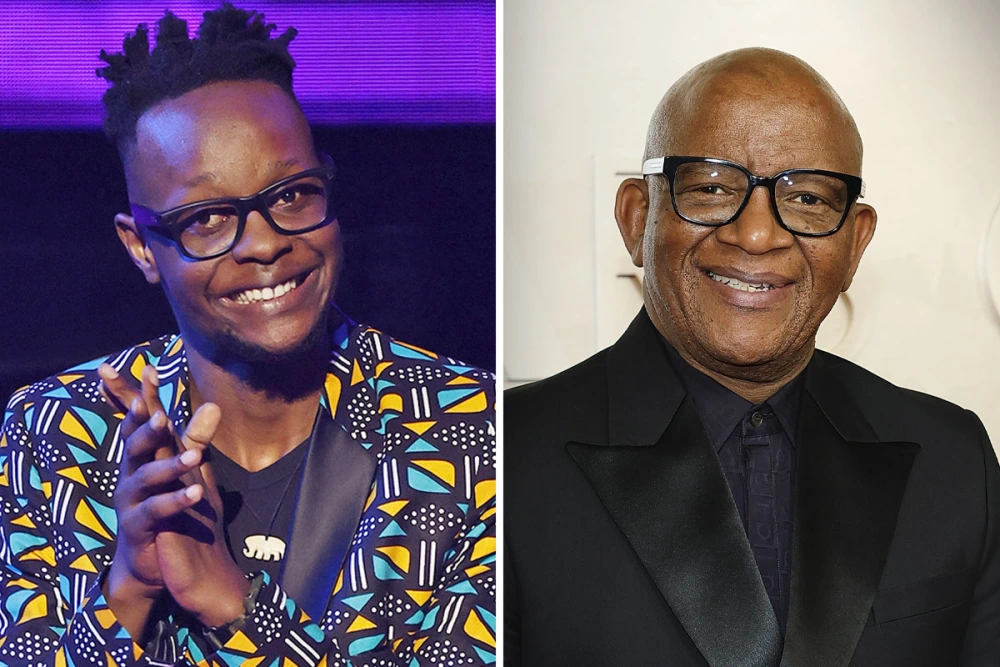
Zimbabwean comedian Learnmore Jonasi is facing a $27 million lawsuit from Grammy-winning composer Lebohang “Lebo M” Morake over a comedy bit involving translated lyrics from “Circle of Life.” Yes, The Lion King song. The one you’ve been humming wrong since 1994.
The case, which erupted publicly in late March 2026 with both parties posting Instagram videos, raises questions that every working comedian should be thinking about – especially if your act involves songs, pop culture references, or anything that brushes up against someone else’s intellectual property.
What Actually Happened
Jonasi, a comedian known for his crowd work and cultural humor, performed a bit that involved translating (or riffing on) the Zulu lyrics from “Circle of Life.” The routine went viral. Lebo M, who composed and performed the original iconic opening, wasn’t amused.
The composer filed a lawsuit seeking $27 million in damages, alleging the comedian’s use of his work crossed a line. Jonasi has since launched a crowdfunding campaign to cover his legal defense.
Whether you think this is an overreaction or a legitimate grievance, the dollar amount alone should get your attention. Twenty-seven million dollars. For a comedy bit.
The Fair Use Question Comedians Can’t Ignore
Most comedians assume parody is always protected. It’s not that simple.
Fair use in the United States considers four factors: the purpose of the use (commercial vs. educational), the nature of the original work, how much of the original was used, and the effect on the market value of the original. Parody generally gets strong protection – the Supreme Court affirmed this in Campbell v. Acuff-Rose Music back in 1994, when 2 Live Crew’s parody of Roy Orbison’s “Oh, Pretty Woman” was ruled fair use.
But here’s the catch: parody means you’re commenting on the original work itself. If you’re just using someone’s song as a vehicle for unrelated jokes, courts might see that as satire rather than parody – and satire gets far less legal protection.
The distinction matters. A lot.
Why This Case Matters Beyond the Headlines
This isn’t just a story about one comedian and one composer. It’s a warning shot for an entire generation of comics whose acts rely heavily on pop culture material.
Think about how many comedy bits involve singing parts of songs, reenacting movie scenes, or riffing on viral content. TikTok and Instagram Reels have made this kind of content the backbone of many comedians’ online presence. Most of the time, rights holders don’t care – or don’t notice. But when something goes massively viral, the calculus changes.
Jonasi’s bit wasn’t performed in a 50-seat club and forgotten. It spread across the internet. And that visibility is exactly what turned a comedy routine into a multimillion-dollar legal dispute.
What Working Comedians Should Actually Do
You don’t need to panic and strip every pop culture reference from your set. But you should be smart about it.
Know the difference between parody and just using someone’s stuff. If your bit comments on the song, movie, or work itself, you’re on stronger legal ground. If you’re just borrowing the melody to make an unrelated joke, that’s riskier territory.
Be especially careful with music. The music industry is more litigious than almost any other creative field. Songwriters and publishers have entire legal teams whose job is to find unauthorized uses. Comedy bits involving songs – even brief ones – can trigger copyright claims, especially when they go viral on social media.
Record your creative process. If you’re ever challenged, having notes, drafts, and timestamps showing how you developed your material independently can help. This applies to joke theft disputes too, not just copyright claims.
Consider the platform. A bit performed live in a club has a very different risk profile than a clip posted to Instagram with millions of views. The more reach your content has, the more likely it is to attract legal attention.
Get familiar with takedown procedures. If a rights holder files a DMCA takedown on your video, know your options. You can file a counter-notification if you genuinely believe your use is fair. But be prepared for the possibility of a lawsuit if you do.
The Bigger Picture: Comedians as Content Creators
Ten years ago, most comedians only had to worry about what happened on stage. Now, your act lives everywhere – YouTube, TikTok, Instagram, podcasts, specials. Every platform has its own copyright enforcement system, and algorithms flag content automatically.
This means comedians are operating more like content creators and less like traditional performers. And content creators need to understand intellectual property the same way they understand microphone technique or crowd work.
It’s not glamorous. Nobody got into comedy to read about copyright law. But ignoring it won’t make it go away, and a single lawsuit can derail a career – even if you ultimately win.
How Venues and Bookers Should Think About This
If you run a comedy venue or book shows, this matters to you too.
Venues that record and post clips of performers need to consider whether the content includes copyrighted material. A comedian doing a bit that involves singing someone else’s song, captured on your venue’s camera and posted to your venue’s social media, could theoretically expose you to a claim as well.
Most venue operators already have ASCAP or BMI licenses for background music. But those licenses don’t necessarily cover performers incorporating copyrighted songs into comedy routines that get posted online.
The simplest approach: have a conversation with your performers about what gets recorded and posted. If a bit involves significant use of copyrighted material, maybe that’s the clip you skip. Platforms like Open Comedy can help streamline communication between venues and performers, making it easier to coordinate on exactly these kinds of details before show night.
What Happens Next in the Jonasi Case
As of late March 2026, the lawsuit is still in its early stages. Jonasi is crowdfunding his defense, which itself tells a story about the power imbalance between individual comedians and well-resourced plaintiffs.
The outcome could set a meaningful precedent for comedians who use music in their acts. If Jonasi’s use is ruled fair use, it’ll reinforce protections for comedy that riffs on popular culture. If not, expect a chilling effect – comedians pulling music-based bits from their sets and social media.
Either way, the case is already having an impact. Comedians are talking about copyright in ways they weren’t a month ago. That conversation alone is worth having.
The Bottom Line
Comedy has always borrowed from culture. That’s part of what makes it work – comedians hold up a mirror to the world and make us laugh at what we see. But borrowing has legal limits, and those limits are being tested in real time.
You don’t need a law degree to be a comedian. But you do need to understand the basics of what you can and can’t use in your act, especially when cameras are rolling and algorithms are watching.
Stay funny. Stay original. And maybe keep a lawyer’s number in your phone – right next to your booker’s.
FAQ
Q: Can comedians legally parody songs in their acts?
A: Generally, yes – parody that comments on the original work is protected under fair use. But using a song as a backdrop for unrelated jokes (satire) gets less protection. The key question courts ask is whether your comedy is specifically targeting the original work or just borrowing it for convenience.
Q: Does performing a copyrighted song snippet in a live show count as infringement?
A: It depends on context. Brief, transformative uses in live settings rarely lead to lawsuits. But once that performance is recorded and shared online – especially if it goes viral – the risk increases significantly. The broader the audience, the more scrutiny you’ll face.
Q: What should I do if I receive a copyright claim or DMCA takedown on my comedy content?
A: Don’t ignore it. Review the claim, assess whether your use qualifies as fair use, and consider consulting an entertainment lawyer before filing a counter-notification. Organizations like Volunteer Lawyers for the Arts offer free or low-cost legal guidance for performers.
Q: How can venues protect themselves from copyright issues related to performer content?
A: Have clear agreements about what gets recorded and posted. Standard performance licenses (ASCAP/BMI) cover live music but may not extend to comedic use of copyrighted songs in online clips. When in doubt, skip posting bits that feature significant copyrighted material.
Are you a comedian looking for gigs?
Join Open Comedy — the free platform connecting comedians with bookers and venues worldwide. Find open mic nights, paid spots, and festival opportunities.